
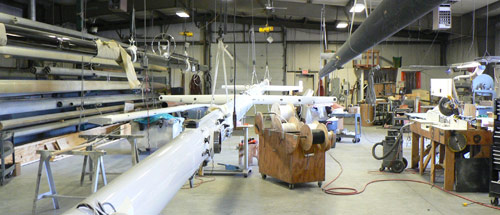
An Intelligent Facility Layout is the Foundation of Operational Success
Whether you’re adding new equipment to your shop floor, expanding your business lines, or simply want greater efficiency, our facility layout experts can help.
Knowing your business as well as you do can be a disadvantage, sometimes. You can become so committed to good, time-honored processes that improvements can seem impossible. However, our case studies are packed with clients that considered helpful suggestions and found dramatic improvements just over the horizon.
An optimal layout can help you improve product quality, scale operations, and even increase safety. Let your facility lead the way into the high performing layouts of tomorrow!
Polaris MEP is perhaps one of the most worthwhile of all business development organizations with whom we’ve engaged.
Chase Hogoboom
President, Goetz Composites
Your Biggest Challenges Solved
Market Competitiveness
Improve Quality
Reduce Expenses
How We Help
FUTURE-PROOFING
Polaris MEP works with your team to fully understand your requirements, so that planning and implementation of your facility change can drive long term success.
LAYOUT REVIEW
A thoughtful review of your current layout often reveals opportunities for improvement. We’ll work with you to evaluate, design, and implement changes to improve a variety of areas.
VENDOR INTERACTION
We’ll work with your equipment manufacturers and distributors to ensure that new equipment fits your layout. This includes new equipment with custom features or design options.
CUSTOMIZED PROGRAMS
Finding improvements that work for your business is our first priority. Solutions are adapted to your specific requirements regarding
- project management,
- CAD drawings,
- equipment selection,
- contractor and architect consulting,
- and more.
Profitable Operations Depend on Smart Layouts
- Build layouts that meet today’s challenges and anticipate tomorrow’s opportunities
- Optimize layouts to boost product quality, scalability, and safety
- Get “installation-ready” for new equipment arrivals so that production doesn’t skip a beat
Related
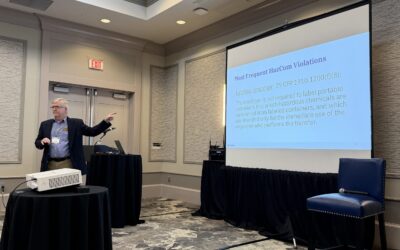
Polaris Helps Bring the New England Manufacturing Community Together at NE Made Summit
The inaugural New England M.A.D.E. (Manufacturing Advancement, Development & Expansion) Summit brought manufacturers, business leaders, industry experts and manufacturing support organizations together Tuesday, September 15, at the Crowne Plaza in Warwick, Rhode...

ISO 9001:2026 FDIS: Why Quality Management is Becoming a Strategic Business Function
Quality Magazine's latest coverage of the ISO 9001:2026 revision digs into the substance behind the update, framing it as more than a routine documentation refresh. A central focus is climate change: Clause 4 now explicitly requires organizations to determine...

Value Stream Mapping’s Next Chapter: From Static Maps to Digital Twins
In a recent TechStrong TV conversation, Value Stream Mapping pioneer Jack Maher argues that manufacturing's classic Lean toolkit—value stream mapping, Kanban, and process analysis dating back to the 1950s—is entering a new phase. Maher discusses how detailed value...
Polaris MEP is our go-to company for all needs related to plant efficiencies. They’ve been at our side, from planning and executing every detail when moving to a larger building, to smaller scale improvements when adding new machines or auxiliary equipment, and increasing warehouse capacity, to name a few.
Avril Cook
VP of Manufacturing,
Blow Molded Specialties
Category: Facility Layout

Polaris Helps Bring the New England Manufacturing Community Together at NE Made Summit
The inaugural New England M.A.D.E. (Manufacturing Advancement, Development & Expansion) Summit brought manufacturers, business leaders, industry experts and manufacturing support organizations together Tuesday, September 15, at the Crowne Plaza in Warwick, Rhode Island.

ISO 9001:2026 FDIS: Why Quality Management is Becoming a Strategic Business Function
Quality Magazine’s latest coverage of the ISO 9001:2026 revision digs into the substance behind the update, framing it as more than a routine documentation refresh. A central focus is climate change.

Value Stream Mapping’s Next Chapter: From Static Maps to Digital Twins
In a recent TechStrong TV conversation, Value Stream Mapping pioneer Jack Maher argues that manufacturing’s classic Lean toolkit—value stream mapping, Kanban, and process analysis dating back to the 1950s—is entering a new phase.
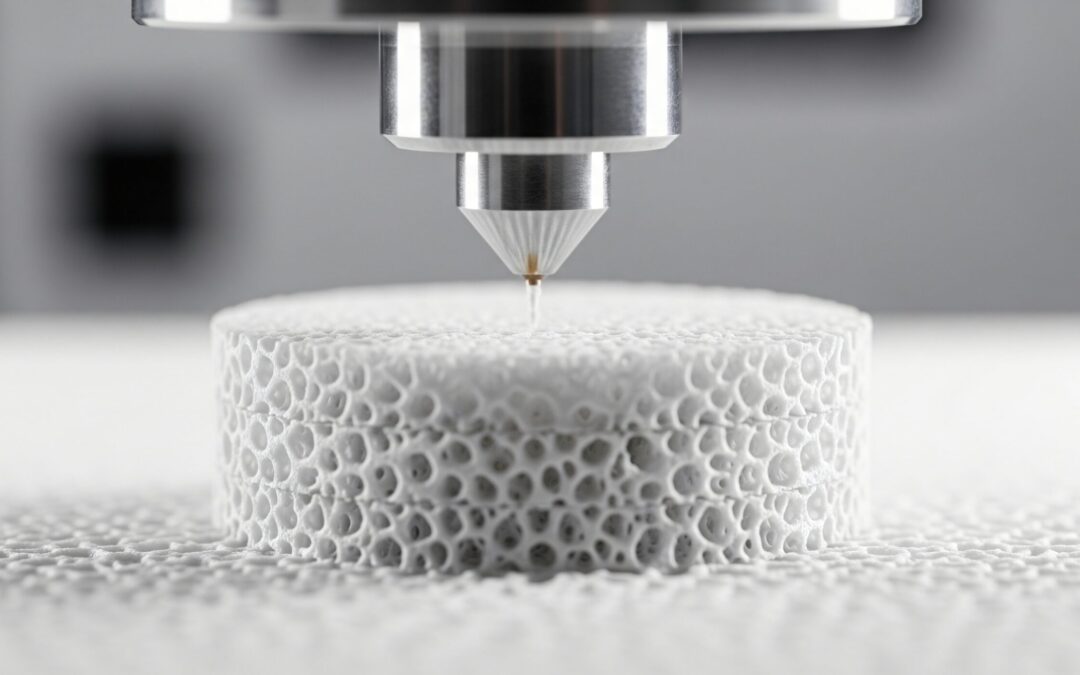
The Science Behind Ketchup Pouring Could Lead to Ceramic 3D Printing
In a recent Taking Measure blog post, NIST researcher Will Spencer describes how materials like ketchup or ceramic suspensions change viscosity under different forces, sometimes flowing freely and sometimes acting almost solid.
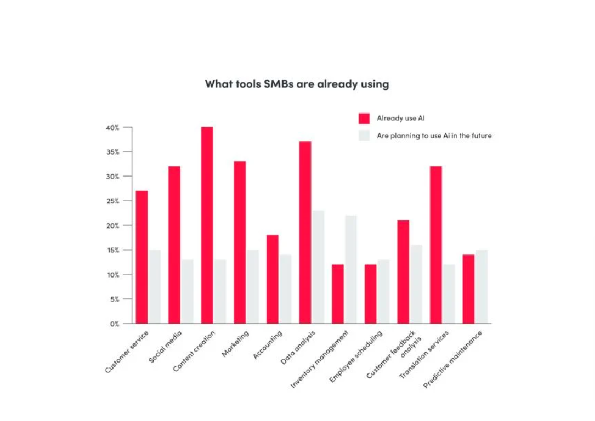
Building a Practical Path to AI Readiness
Artificial Intelligence (AI) often feels like a buzzword disconnected from the realities of daily manufacturing operations. While industry conversations promise “autonomous factories” and “digital transformation,” the practical application of AI in small to mid-sized job shops and discrete manufacturers can seem unclear.

We Needed Automation to Reshore Our Supply Chain
IndustryWeek’s article “We Needed Automation to Reshore Our Supply Chain” describes how TAC Industries, a Springfield, Ohio-based manufacturer that produces cargo nets for the U.S. Air Force, used automation as the key lever to bring critical hardware sourcing back from Asia to the United States.
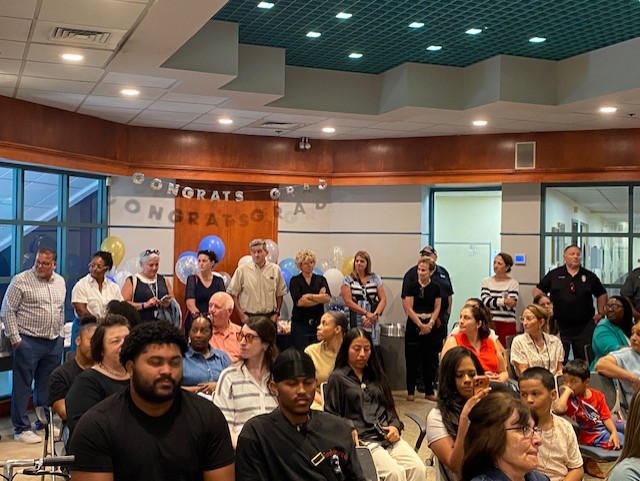
A New Class of Welders Is Ready to Step Into Rhode Island’s Manufacturing Workforce
On June 25, something meaningful happened at New England Institute of Technology. A group of graduates walked across the stage—not just to mark the end of a program, but to step into entirely new careers.

New AI Model Shows How to Evacuate for Fires One Safe Step at a Time
The National Institute of Standards and Technology (NIST) has developed an artificial intelligence model, called Safe Step, that is designed to help people evacuate more safely during fires by continuously steering them toward routes with the lowest danger, not just the closest exit.

R.I.’s manufacturing sector braces for owner exits
Rhode Island’s manufacturing sector is facing a pivotal moment—one that will shape the future of the industry for decades to come. A recent Providence Business News article highlights a pressing reality: nearly 80% of the state’s manufacturers are approaching ownership transition without a clear succession plan in place.
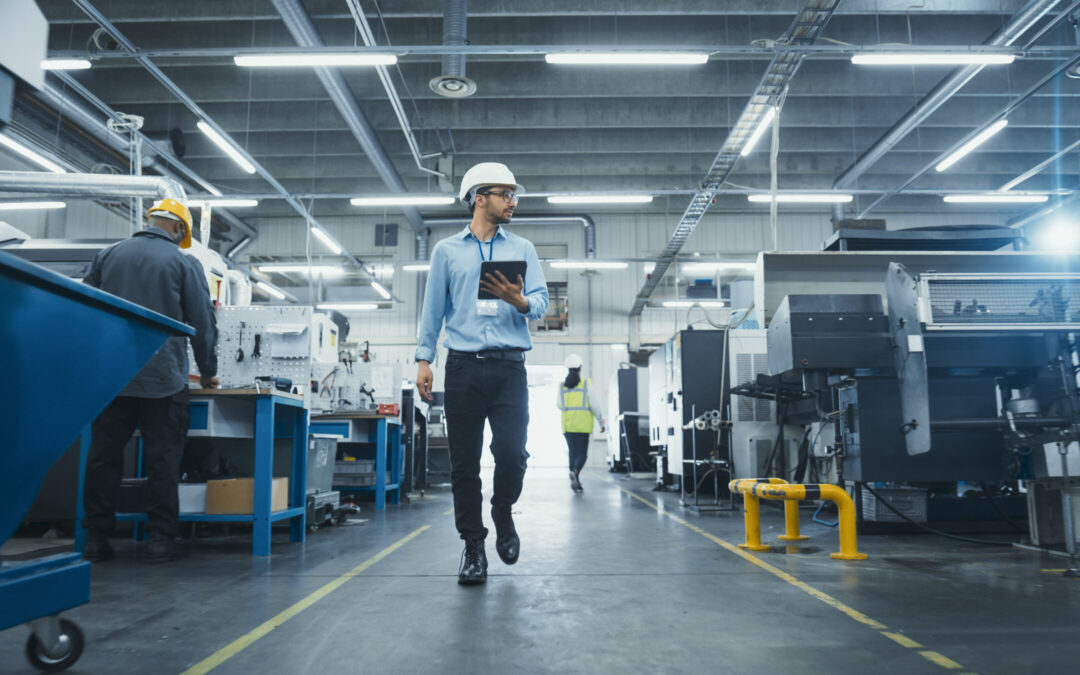
Why Modern Supply Chains Can’t Rely on Efficiency Alone
The more optimized a supply chain became, the more competitive it would be. However, the past several years have challenged that assumption.