NIST scientists have developed a new process for packaging photonic integrated circuits so they can survive and operate in some of the most extreme environments imaginable.


NIST scientists have developed a new process for packaging photonic integrated circuits so they can survive and operate in some of the most extreme environments imaginable.

Open positions far outnumber available candidates… at least among the traditional talent pool. The good news is that the labor pool is deeper than most think. By looking beyond the usual candidates and tapping into overlooked populations, warehouses can not only fill jobs but also boost retention, productivity and even safety.

AI is quickly becoming a key area of exploration for many businesses. However, understanding how companies are actually using—or planning to use—AI is critical to ensuring the right support and resources are available.
This premier event brings together innovators, industry leaders, government stakeholders, and researchers to showcase cutting-edge maritime and dual-use technologies through live, mission-driven demonstrations.
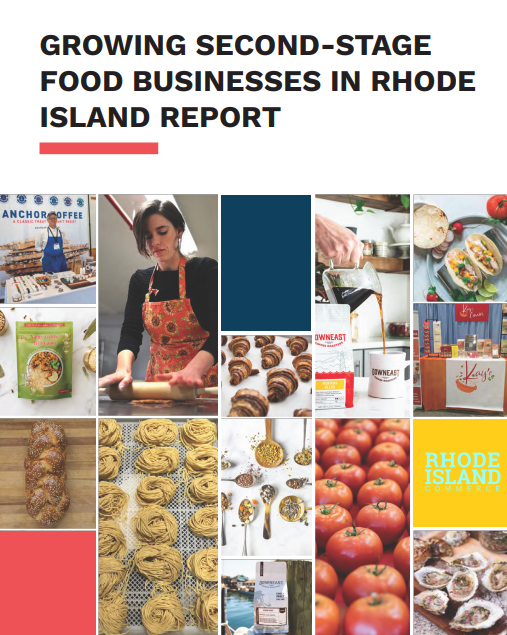
Rhode Island’s vibrant food ecosystem has fostered many food manufacturing startups, but few are growing to become larger businesses with significant sales and employment. This research explores why food businesses often plateau and identifies the challenges they face in transitioning from startups to second-stage businesses.
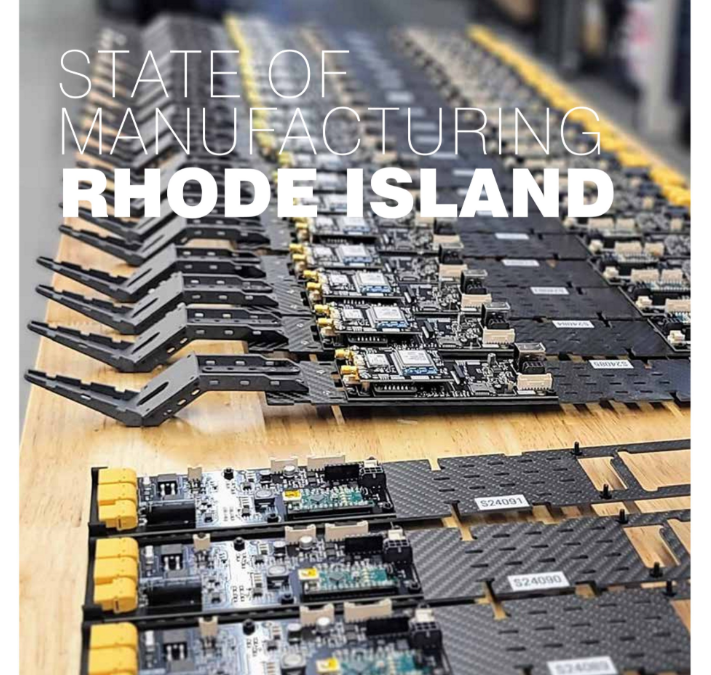
The 2025 report combines multiple sources, including industry trend analysis, the Voice of Manufacturing Survey (VOMS), and insights from manufacturers, policymakers, and community leaders.
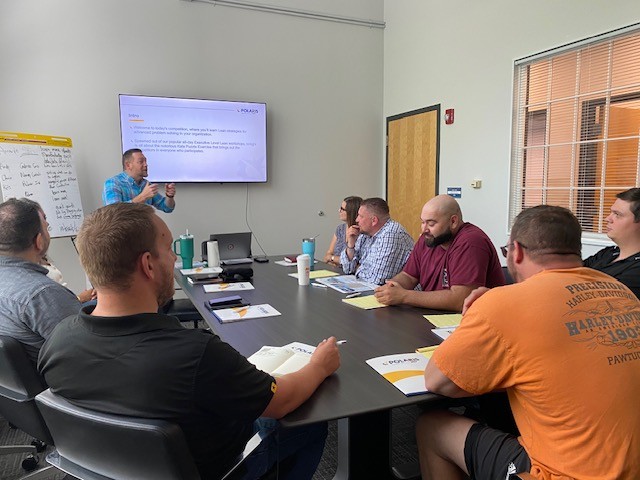
This integrated solution helps manufacturers achieve measurable and sustainable improvements in productivity, quality, and workforce effectiveness by addressing both the technical and human sides of operations.

Our safety programs are designed for small-to-medium manufacturers in Rhode Island and focus on the most common types of incidents and OSHA violations.
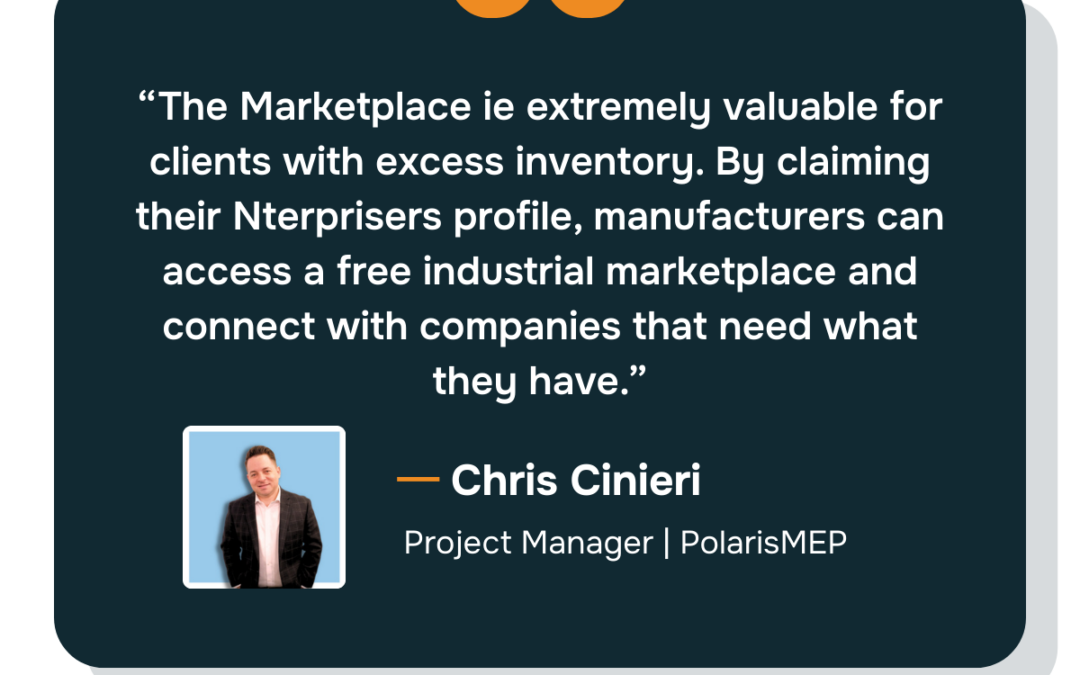
Chris Cinieri, Polaris MEP Project Manager, helped Nterprisers develop their new Marketplace to help meet manufacturers’s needs.

The project responds to Rhode Island’s acute manufacturing workforce shortage by strengthening the talent pipeline while opening access to high-wage, high-demand careers for individuals who have been historically excluded from opportunity.