Quality Magazine’s latest coverage of the ISO 9001:2026 revision digs into the substance behind the update, framing it as more than a routine documentation refresh. A central focus is climate change.

Quality Magazine’s latest coverage of the ISO 9001:2026 revision digs into the substance behind the update, framing it as more than a routine documentation refresh. A central focus is climate change.
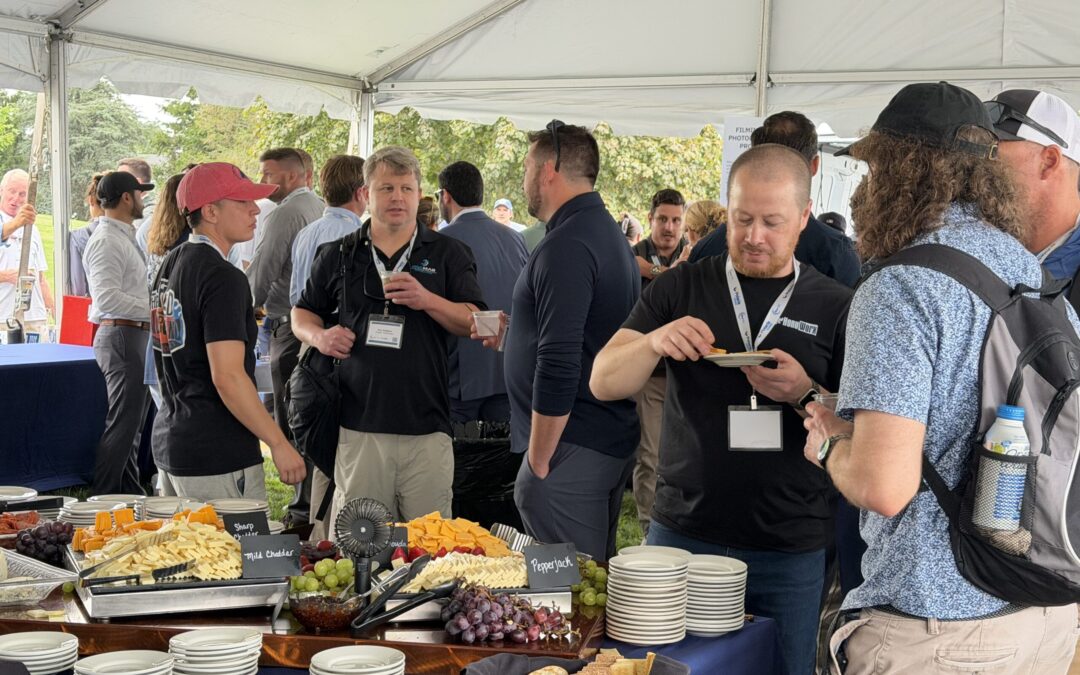
On August 27, Polaris Tech Bridge hosted the third annual BlueTIDE, held in collaboration with the U.S. Navy and Naval Undersea Warfare Center, Division Newport.
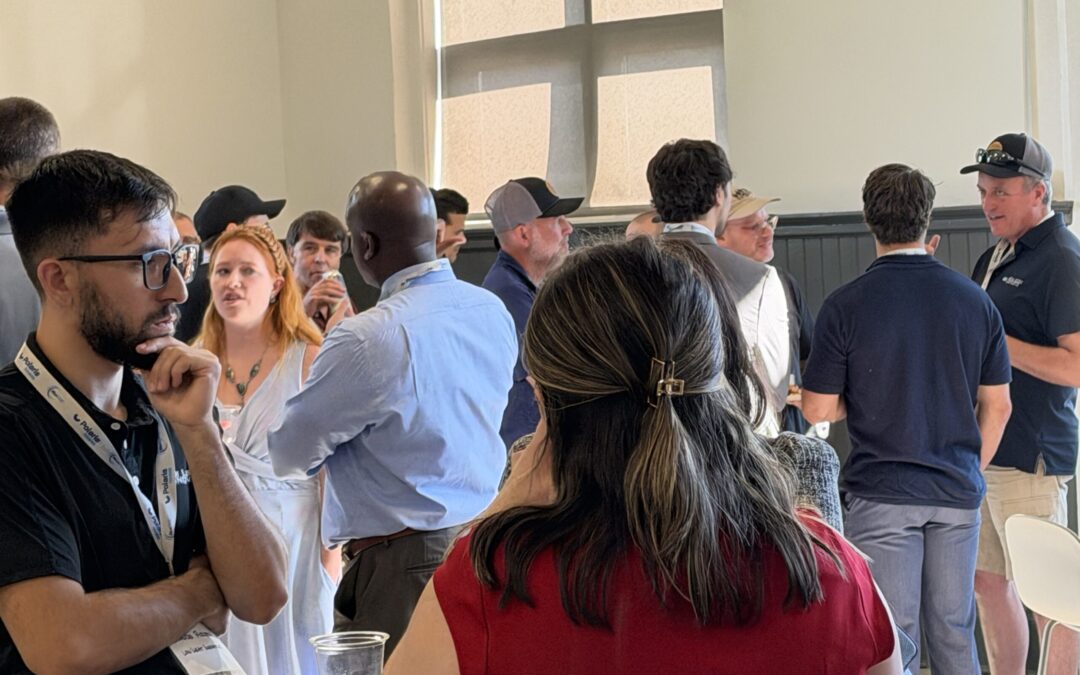
As part of the BlueTIDE 2026 experience, Polaris Tech Bridge brought together an impressive group of blue technology innovators and investors for an afternoon of Investor + Innovation Speed Dating at Innovate Newport.
When BlueTIDE 2026 comes to Sail Newport on August 27, some of the most promising emerging technologies in the region will be on display in Showcase Alley.
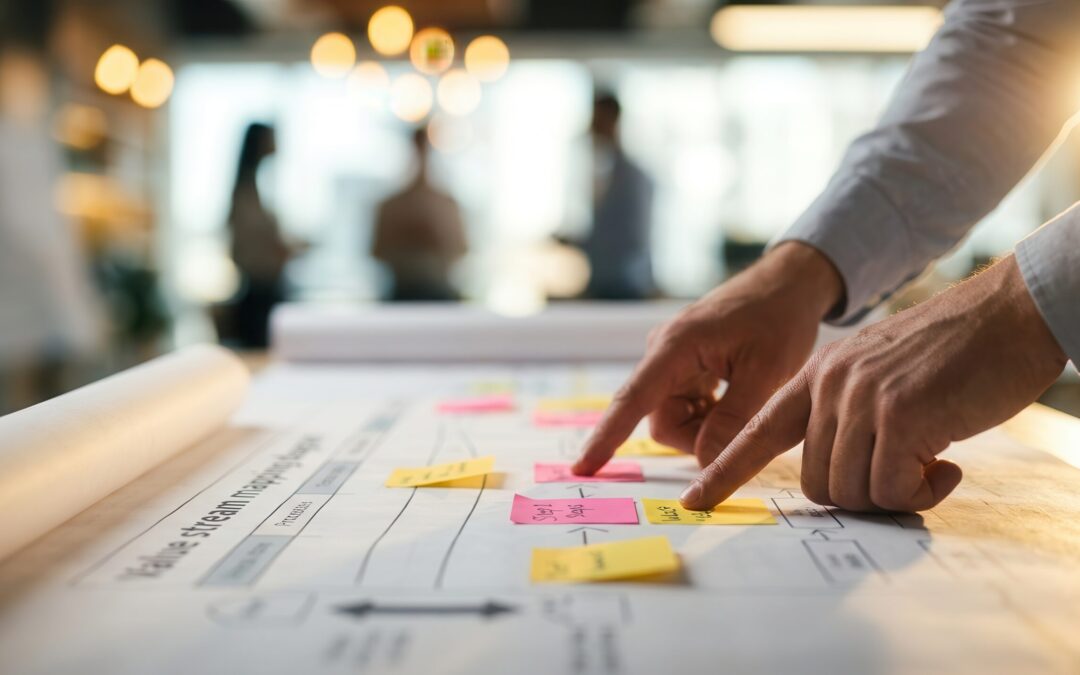
In a recent TechStrong TV conversation, Value Stream Mapping pioneer Jack Maher argues that manufacturing’s classic Lean toolkit—value stream mapping, Kanban, and process analysis dating back to the 1950s—is entering a new phase.
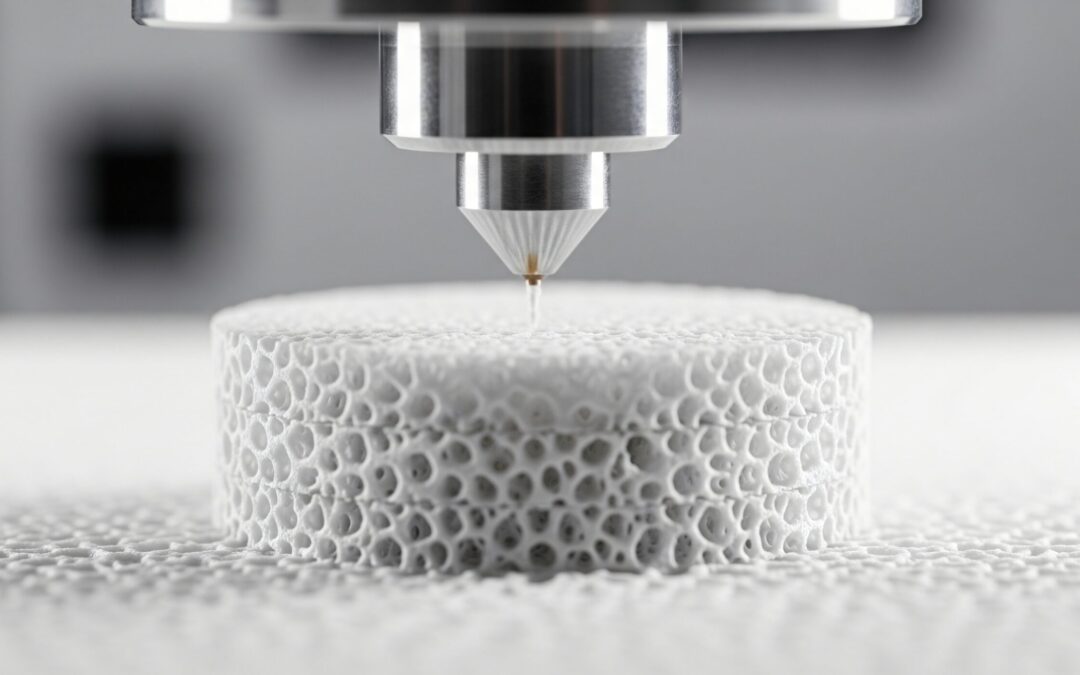
In a recent Taking Measure blog post, NIST researcher Will Spencer describes how materials like ketchup or ceramic suspensions change viscosity under different forces, sometimes flowing freely and sometimes acting almost solid.
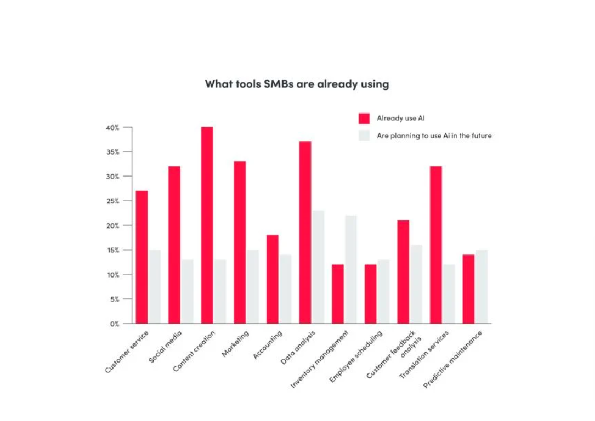
Artificial Intelligence (AI) often feels like a buzzword disconnected from the realities of daily manufacturing operations. While industry conversations promise “autonomous factories” and “digital transformation,” the practical application of AI in small to mid-sized job shops and discrete manufacturers can seem unclear.

At the final session of Innovate Newport’s Blue Tech Talks on June 30, a clear message surfaced: the state, particularly around Narragansett Bay, has all the ingredients to become a global hub for ocean tech. Not someday—now.
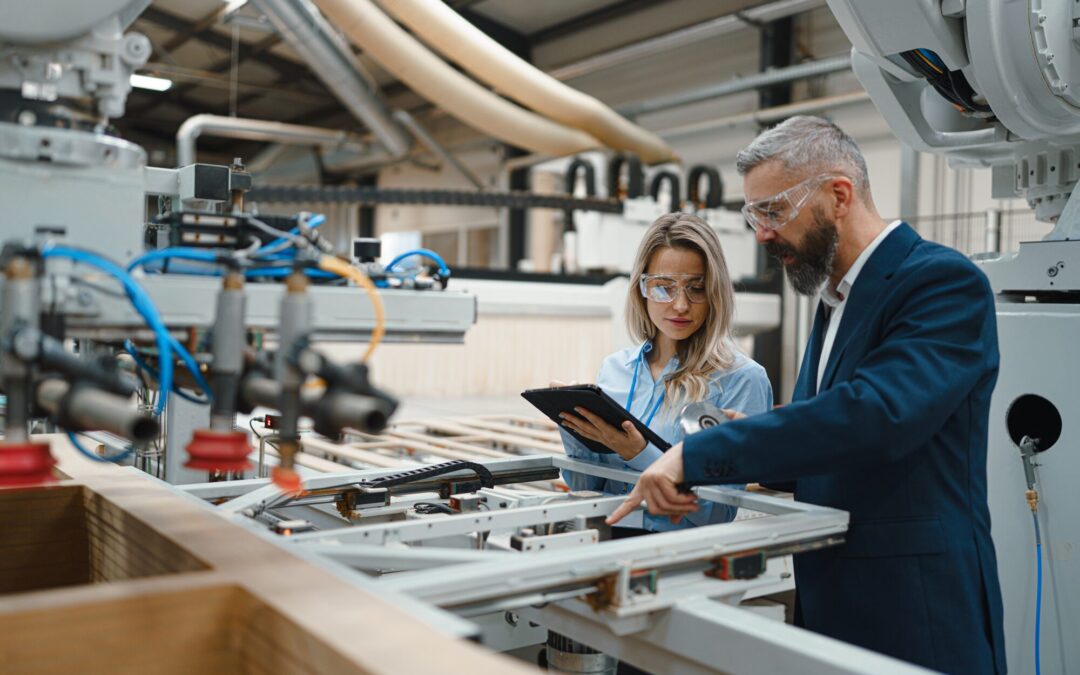
IndustryWeek’s article “We Needed Automation to Reshore Our Supply Chain” describes how TAC Industries, a Springfield, Ohio-based manufacturer that produces cargo nets for the U.S. Air Force, used automation as the key lever to bring critical hardware sourcing back from Asia to the United States.

After a round of virtual qualification demonstrations, a group of companies has been selected to move forward to the live, in-water demonstrations happening August 27 in Newport, Rhode Island.