

Better Product, Better Results
No manufacturer sets out to have quality issues, but the reality is that, over time, quality and process controls can erode. And it often takes only a few mistakes to kick off a serious decline, wreaking havoc on your reputation and bottom line.
It’s impossible to obtain zero defects, but maximizing quality is always worthwhile. A reputation for producing quality products reliably and safely will lead to more sales, increased customer loyalty, and reduced waste and production costs.
These efforts can also help you obtain Quality Management System certifications needed to reach certain target markets or simply fulfill your customer’s rigorous requirements.
Seek quality and many things will fall into place.
Our facility provides products to Aerospace and other demanding Industries. Without Polaris MEP’s assistance with this certification and improved QMS, this business would be lost.
Royal Jones
Senior Quality Manager,
DeWAL/Rogers Corporation
Solutions To Your Challenges
Lean Manufacturing
Quality Management Systems
Facility Layout
How We Help
QMS PREP
Polaris MEP project managers can guide your team, step-by-step, through the preparation process for any QMS audit. Whether for ISO 9001:2015, ISO 13485, ISO 14001, AS9100D, or another QMS, we’ll uncover compliance gaps and get you in the best possible position before your audits.
CONTINUOUS IMPROVEMENT
A Polaris MEP Lean expert can help your team begin (or continue) a Lean journey through a culture of continuous improvement. This new approach can help your team increase quality in all aspects of their work.
360° ASSESSMENT
The issues impacting quality can sometimes be hidden from view. By analyzing your company comprehensively, from all angles, we can identify points of failure and find ways to refine processes to maximize the quality of your output.
PUBLIC TRAINING
Polaris MEP provides a variety of workshops, lunch & learns, bus tours, and more to help keep your team informed on best practices. The more people that understand the factors impacting quality, the more likely your team will find ways to improve on their own.
Spotlight On Quality
- Earn and secure a reputation for reliability and safety
- Increase sales through new markets that require QMS certification
- Instill a culture of quality and continuous improvement in your team
Related
Building a Practical Path to AI Readiness
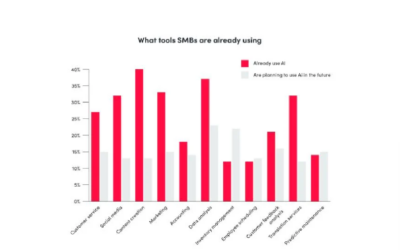
AI gets talked about like it’s already running the factory floor. For most small and mid-sized manufacturers, that’s not reality. The promise is big—autonomous systems, seamless digital operations—but the day-to-day still looks a lot like it always has. What’s changed...

We Needed Automation to Reshore Our Supply Chain
IndustryWeek’s article “We Needed Automation to Reshore Our Supply Chain” describes how TAC Industries, a Springfield, Ohio-based manufacturer that produces cargo nets for the U.S. Air Force, used automation as the key lever to bring critical hardware sourcing back...

Why Modern Supply Chains Can’t Rely on Efficiency Alone
Materials Handling & Logistics’ article “Resilient by Design: Why Modern Supply Chains Can’t Rely on Efficiency Alone,” by George Ninikas, argues that cost-optimized networks on paper often break down when real-world conditions change. Ninikas, senior vice...
Polaris MEP was instrumental in our company achieving ISO 9001:2015 certification.
Dr. William Weedon
President/CEO, Applied Radar, Inc.
Category: Improve Quality

Collaboration in Action: Highlights from North Kingstown’s Manufacturers’ Forum
Attendees raised concerns ranging from day-to-day operational hurdles—like transportation and logistics challenges—to broader systemic issues such as talent pipelines and regulatory navigation.

Rhode Island Manufacturers: Claim Tariff Refunds—But Stay Alert to Scams
For Rhode Island manufacturers—many of whom rely on imported materials, components, or equipment—refunds could translate into thousands (or more) in returned funds, potentially including interest.
Let Polaris MEP Help You with Registered Apprenticeships
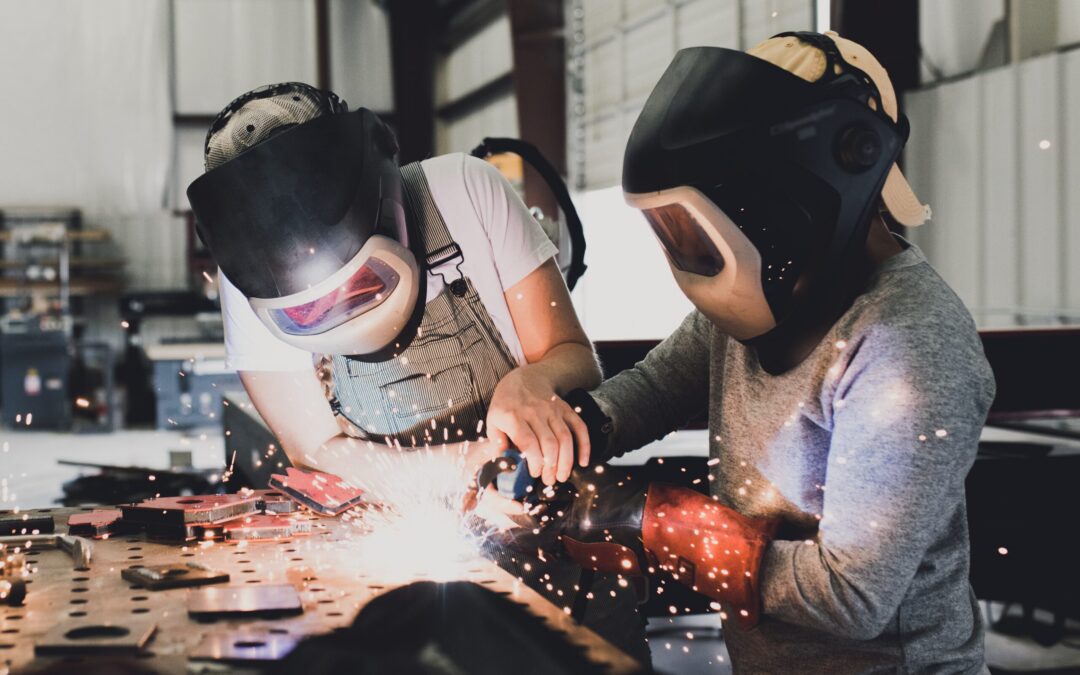
Last week was National Apprenticeship Week and in recognition, Polaris MEP is excited to spotlight new opportunities for manufacturers to strengthen their workforce through Registered Apprenticeships.
The Importance of Apprenticeships
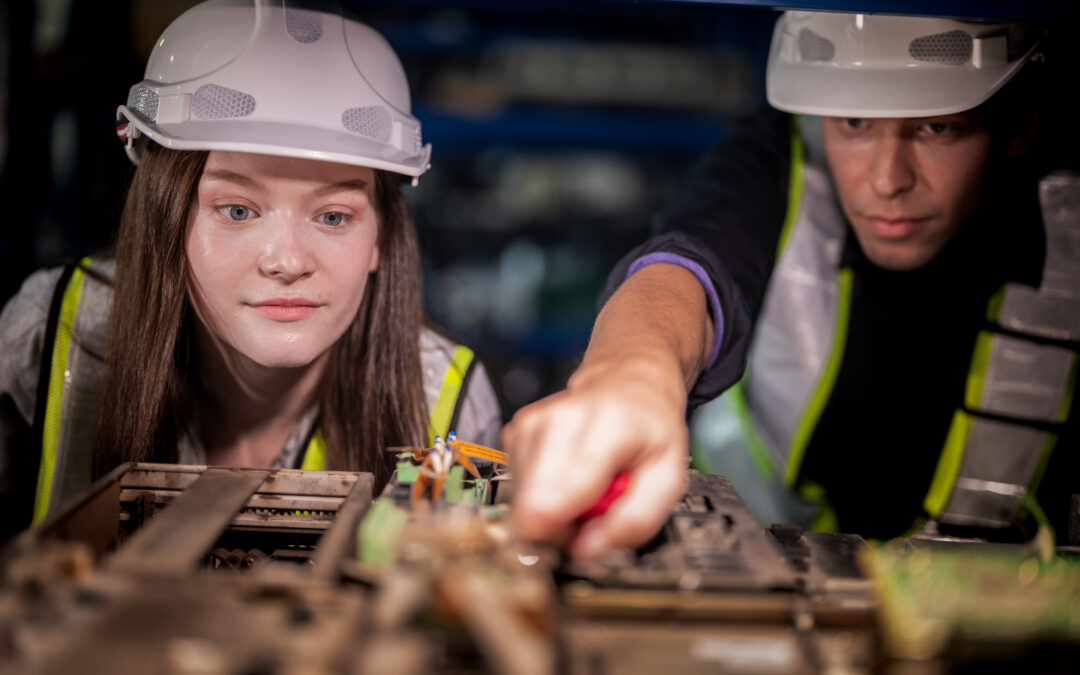
In today’s rapidly evolving manufacturing landscape, one challenge continues to rise above the rest: the growing skills gap. One of the most powerful solutions? Apprenticeships.

The Warehouse Safety Audit: 5 Common Fire Risks You’re Probably Missing
Fire protection in warehouses is not just about sprinklers; it requires ongoing planning, training, and practice to maintain system effectiveness. The best way to address common issues is by embedding fire safety into facility culture.

NIST Researchers Develop Photonic Chip Packaging That Can Withstand Extreme Environments
NIST scientists have developed a new process for packaging photonic integrated circuits so they can survive and operate in some of the most extreme environments imaginable.

Bridging the Warehouse Labor Gap: Untapped Talent and Smarter Strategies
Open positions far outnumber available candidates… at least among the traditional talent pool. The good news is that the labor pool is deeper than most think. By looking beyond the usual candidates and tapping into overlooked populations, warehouses can not only fill jobs but also boost retention, productivity and even safety.

Take the Polaris MEP Artificial Intelligence Mini Survey
AI is quickly becoming a key area of exploration for many businesses. However, understanding how companies are actually using—or planning to use—AI is critical to ensuring the right support and resources are available.
Announcement: BlueTIDE Registration is Now Open
This premier event brings together innovators, industry leaders, government stakeholders, and researchers to showcase cutting-edge maritime and dual-use technologies through live, mission-driven demonstrations.

Growing Second-Stage Food Business in Rhode Island Report
Rhode Island’s vibrant food ecosystem has fostered many food manufacturing startups, but few are growing to become larger businesses with significant sales and employment. This research explores why food businesses often plateau and identifies the challenges they face in transitioning from startups to second-stage businesses.