A safer workplace is one that begins with leadership commitment and extends to employee engagement, workplace culture, internal safety champions, and a clear understanding of the business impact of injuries.
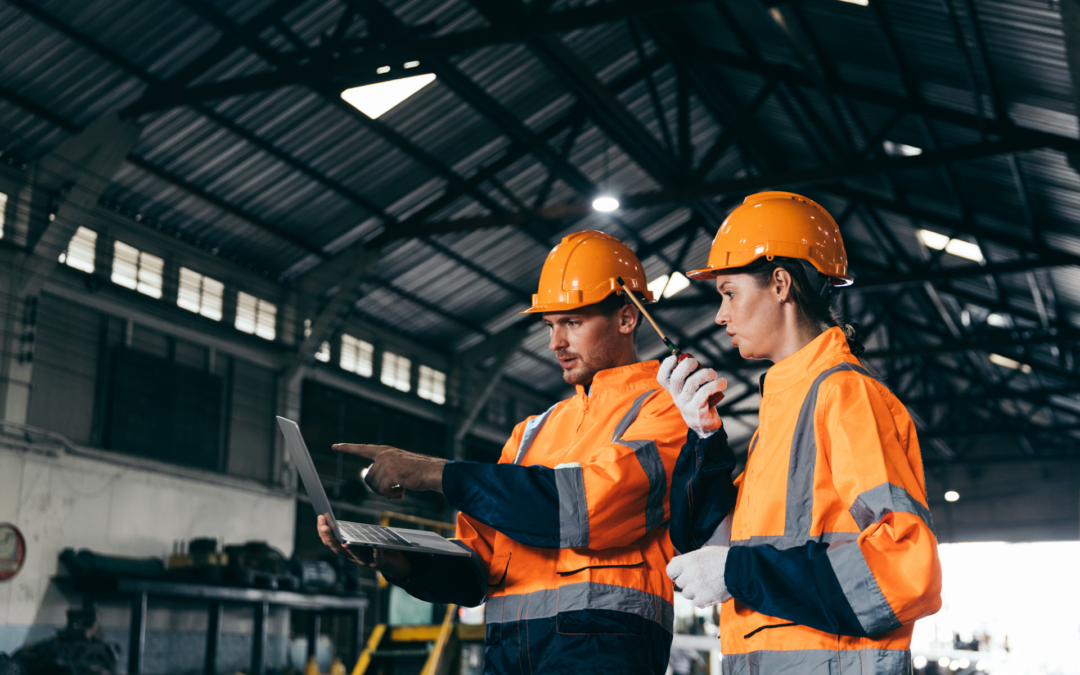

A safer workplace is one that begins with leadership commitment and extends to employee engagement, workplace culture, internal safety champions, and a clear understanding of the business impact of injuries.
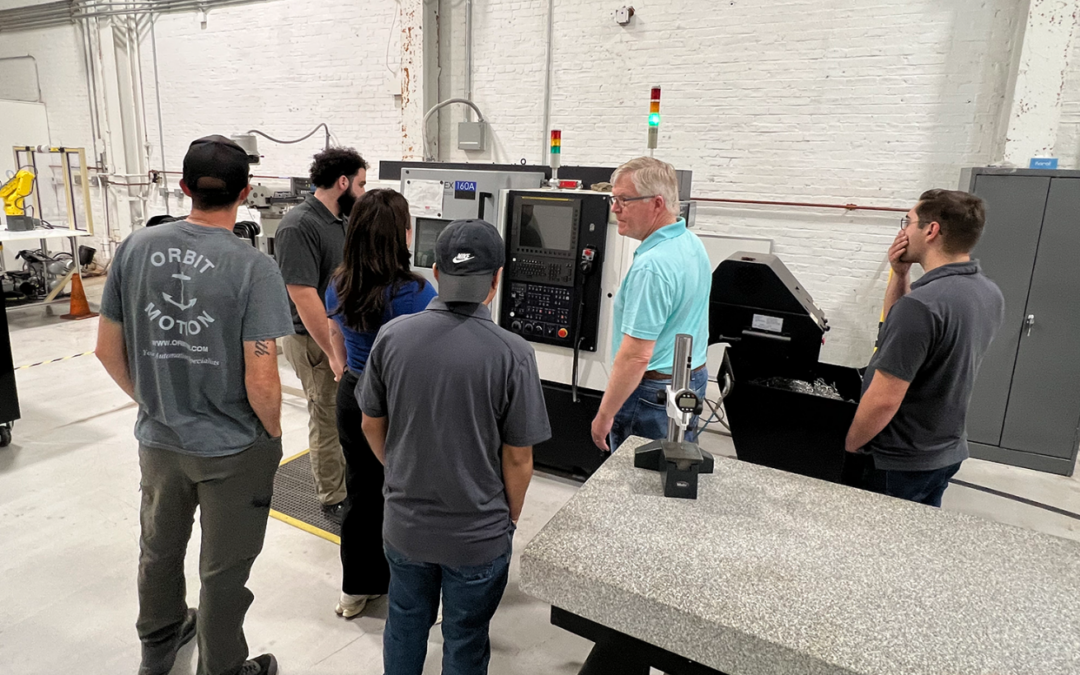
For Rhode Island manufacturers, a strong safety program can protect profitability, improve product quality, support employee retention and create opportunities for growth.

The National Institute of Standards and Technology (NIST) has developed an artificial intelligence model, called Safe Step, that is designed to help people evacuate more safely during fires by continuously steering them toward routes with the lowest danger, not just the closest exit.
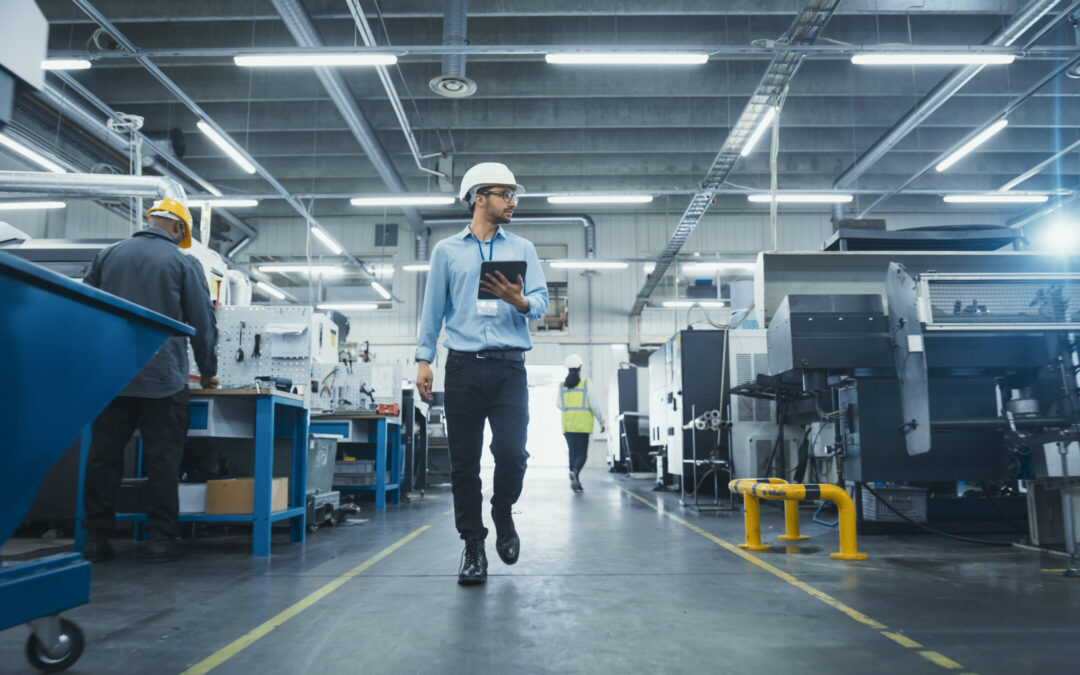
The more optimized a supply chain became, the more competitive it would be. However, the past several years have challenged that assumption.

For Rhode Island manufacturers—many of whom rely on imported materials, components, or equipment—refunds could translate into thousands (or more) in returned funds, potentially including interest.
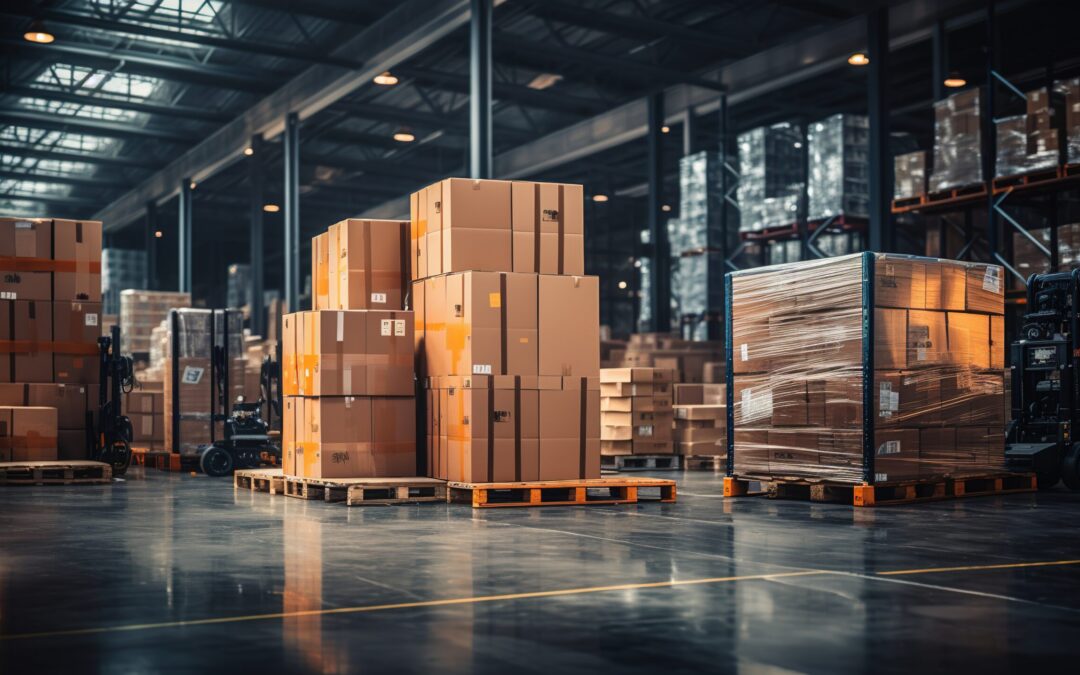
Fire protection in warehouses is not just about sprinklers; it requires ongoing planning, training, and practice to maintain system effectiveness. The best way to address common issues is by embedding fire safety into facility culture.
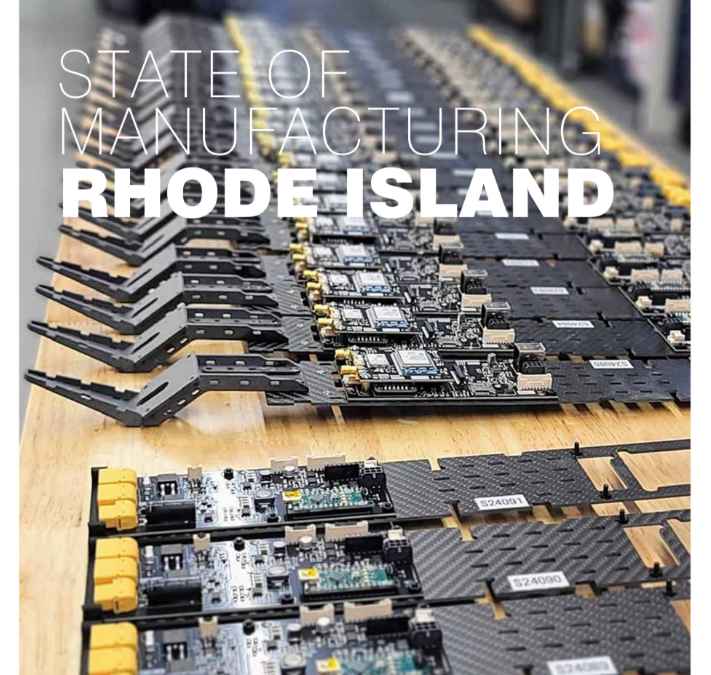
The 2025 report combines multiple sources, including industry trend analysis, the Voice of Manufacturing Survey (VOMS), and insights from manufacturers, policymakers, and community leaders.
Our safety programs are designed for small-to-medium manufacturers in Rhode Island and focus on the most common types of incidents and OSHA violations.

In a feature for Material Handling & Logistics, Indrani de Silva of Sphera explains that although many companies now publish ESG commitments, a surprising number still lack the systems and supplier engagement needed to deliver meaningful improvements.
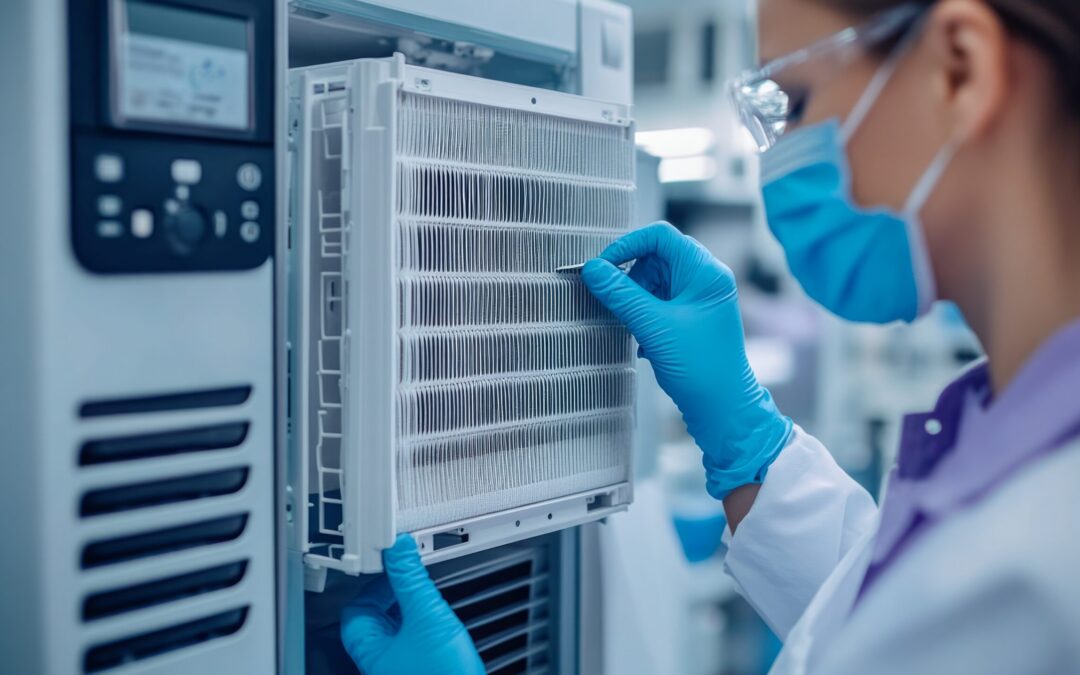
This test will allow manufacturers to make improvements in their devices, enable consumers to make apples-to-apples comparisons, and pave the way for emission limits of these by-products.