
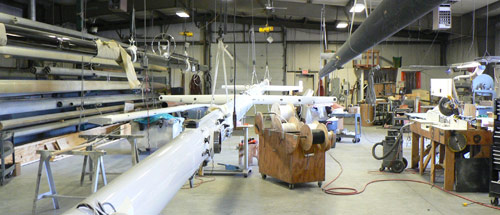
An Intelligent Facility Layout is the Foundation of Operational Success
Whether you’re adding new equipment to your shop floor, expanding your business lines, or simply want greater efficiency, our facility layout experts can help.
Knowing your business as well as you do can be a disadvantage, sometimes. You can become so committed to good, time-honored processes that improvements can seem impossible. However, our case studies are packed with clients that considered helpful suggestions and found dramatic improvements just over the horizon.
An optimal layout can help you improve product quality, scale operations, and even increase safety. Let your facility lead the way into the high performing layouts of tomorrow!
Polaris MEP is perhaps one of the most worthwhile of all business development organizations with whom we’ve engaged.
Chase Hogoboom
President, Goetz Composites
Your Biggest Challenges Solved
Market Competitiveness
Improve Quality
Reduce Expenses
How We Help
FUTURE-PROOFING
Polaris MEP works with your team to fully understand your requirements, so that planning and implementation of your facility change can drive long term success.
LAYOUT REVIEW
A thoughtful review of your current layout often reveals opportunities for improvement. We’ll work with you to evaluate, design, and implement changes to improve a variety of areas.
VENDOR INTERACTION
We’ll work with your equipment manufacturers and distributors to ensure that new equipment fits your layout. This includes new equipment with custom features or design options.
CUSTOMIZED PROGRAMS
Finding improvements that work for your business is our first priority. Solutions are adapted to your specific requirements regarding
- project management,
- CAD drawings,
- equipment selection,
- contractor and architect consulting,
- and more.
Profitable Operations Depend on Smart Layouts
- Build layouts that meet today’s challenges and anticipate tomorrow’s opportunities
- Optimize layouts to boost product quality, scalability, and safety
- Get “installation-ready” for new equipment arrivals so that production doesn’t skip a beat
Related
Building a Practical Path to AI Readiness
AI gets talked about like it’s already running the factory floor. For most small and mid-sized manufacturers, that’s not reality. The promise is big—autonomous systems, seamless digital operations—but the day-to-day still looks a lot like it always has. What’s changed...

We Needed Automation to Reshore Our Supply Chain
IndustryWeek’s article “We Needed Automation to Reshore Our Supply Chain” describes how TAC Industries, a Springfield, Ohio-based manufacturer that produces cargo nets for the U.S. Air Force, used automation as the key lever to bring critical hardware sourcing back...
Why Modern Supply Chains Can’t Rely on Efficiency Alone
Materials Handling & Logistics’ article “Resilient by Design: Why Modern Supply Chains Can’t Rely on Efficiency Alone,” by George Ninikas, argues that cost-optimized networks on paper often break down when real-world conditions change. Ninikas, senior vice...
Polaris MEP is our go-to company for all needs related to plant efficiencies. They’ve been at our side, from planning and executing every detail when moving to a larger building, to smaller scale improvements when adding new machines or auxiliary equipment, and increasing warehouse capacity, to name a few.
Avril Cook
VP of Manufacturing,
Blow Molded Specialties
Category: Facility Layout
Collaboration in Action: Highlights from North Kingstown’s Manufacturers’ Forum
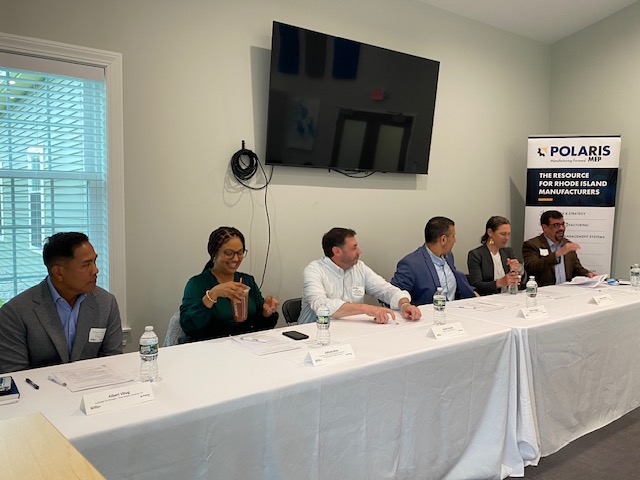
Attendees raised concerns ranging from day-to-day operational hurdles—like transportation and logistics challenges—to broader systemic issues such as talent pipelines and regulatory navigation.

Rhode Island Manufacturers: Claim Tariff Refunds—But Stay Alert to Scams
For Rhode Island manufacturers—many of whom rely on imported materials, components, or equipment—refunds could translate into thousands (or more) in returned funds, potentially including interest.
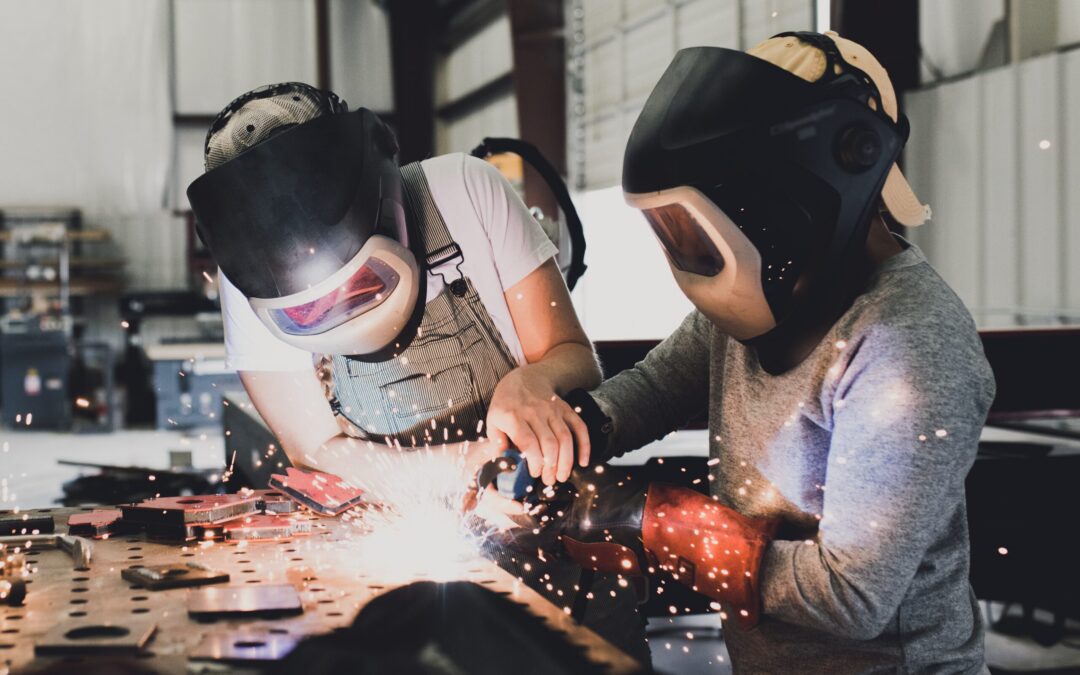
Let Polaris MEP Help You with Registered Apprenticeships
Last week was National Apprenticeship Week and in recognition, Polaris MEP is excited to spotlight new opportunities for manufacturers to strengthen their workforce through Registered Apprenticeships.
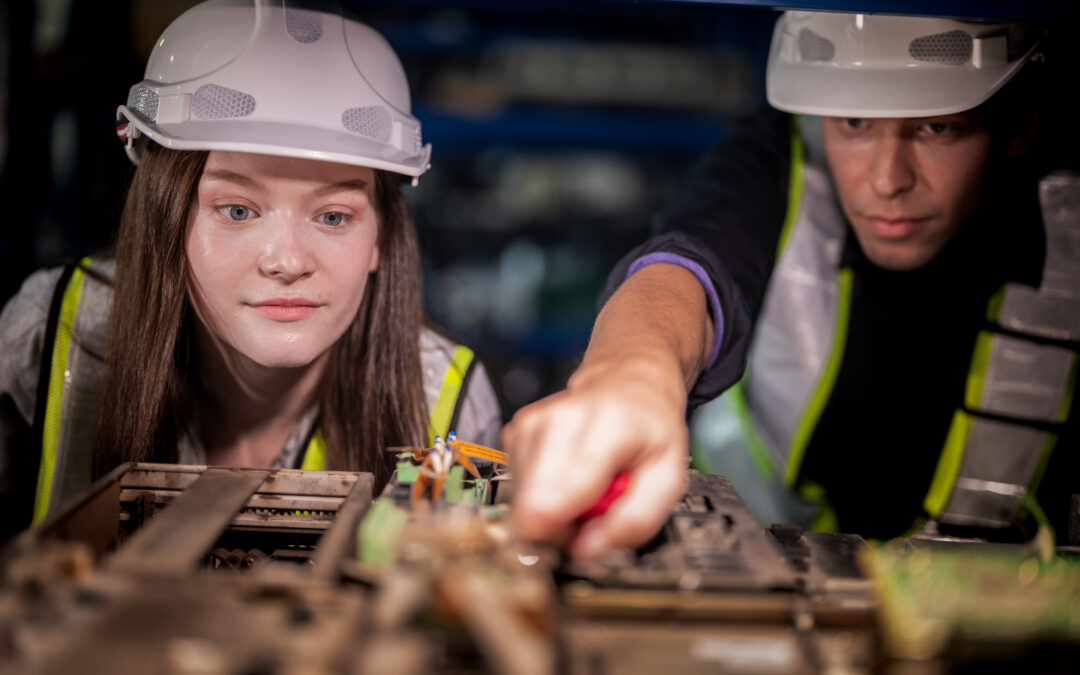
The Importance of Apprenticeships
In today’s rapidly evolving manufacturing landscape, one challenge continues to rise above the rest: the growing skills gap. One of the most powerful solutions? Apprenticeships.
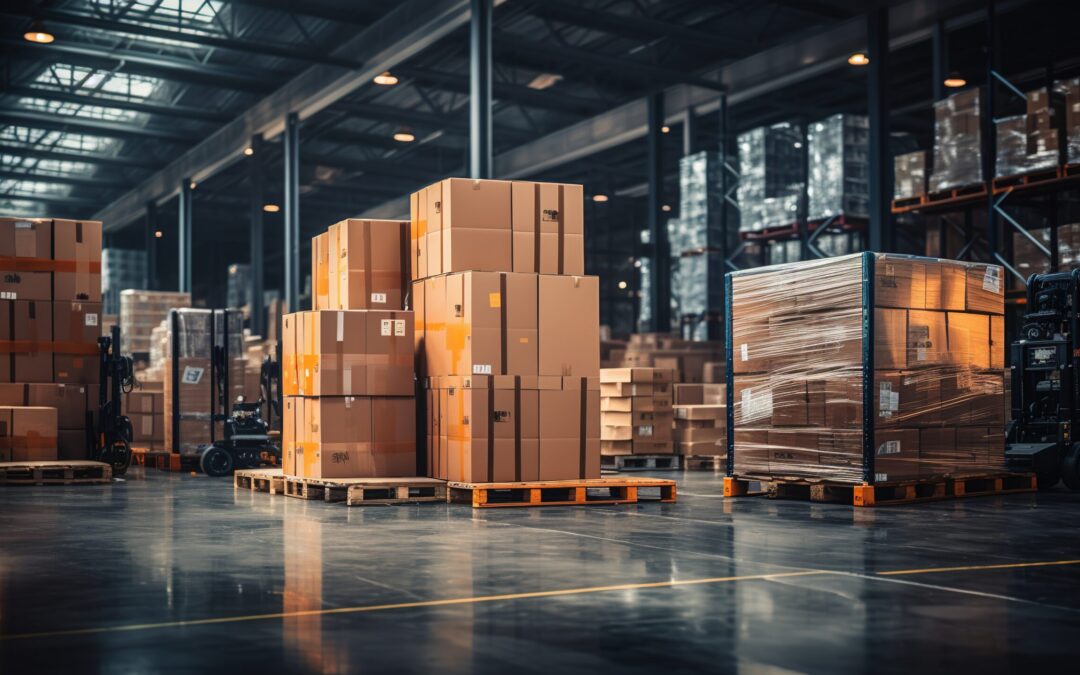
The Warehouse Safety Audit: 5 Common Fire Risks You’re Probably Missing
Fire protection in warehouses is not just about sprinklers; it requires ongoing planning, training, and practice to maintain system effectiveness. The best way to address common issues is by embedding fire safety into facility culture.

NIST Researchers Develop Photonic Chip Packaging That Can Withstand Extreme Environments
NIST scientists have developed a new process for packaging photonic integrated circuits so they can survive and operate in some of the most extreme environments imaginable.
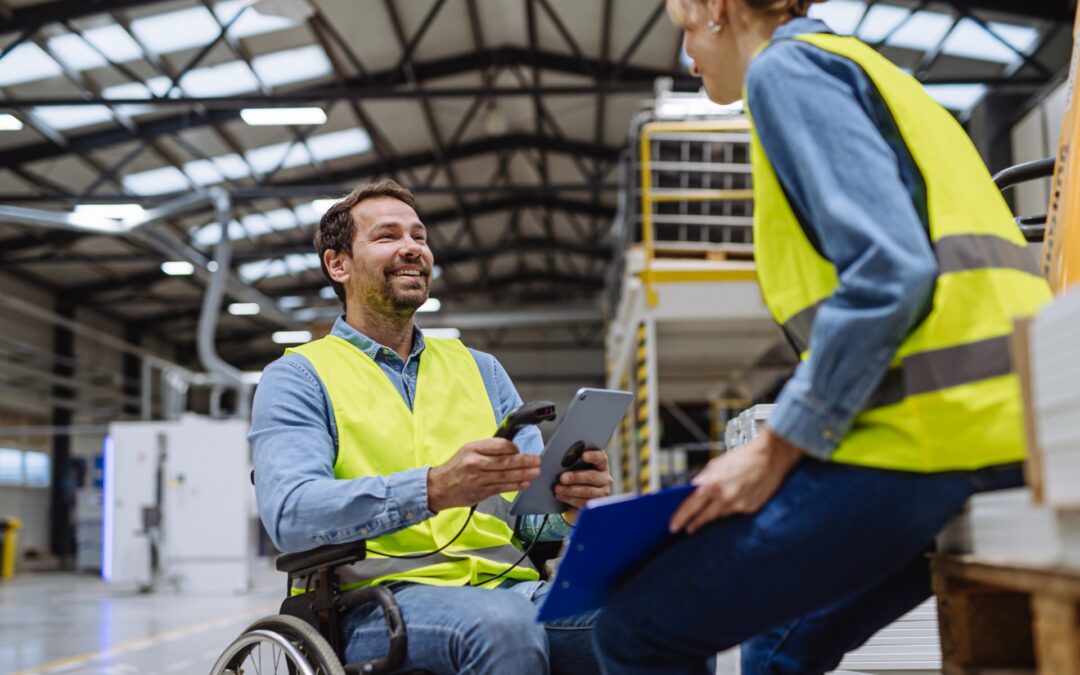
Bridging the Warehouse Labor Gap: Untapped Talent and Smarter Strategies
Open positions far outnumber available candidates… at least among the traditional talent pool. The good news is that the labor pool is deeper than most think. By looking beyond the usual candidates and tapping into overlooked populations, warehouses can not only fill jobs but also boost retention, productivity and even safety.

Take the Polaris MEP Artificial Intelligence Mini Survey
AI is quickly becoming a key area of exploration for many businesses. However, understanding how companies are actually using—or planning to use—AI is critical to ensuring the right support and resources are available.
Announcement: BlueTIDE Registration is Now Open
This premier event brings together innovators, industry leaders, government stakeholders, and researchers to showcase cutting-edge maritime and dual-use technologies through live, mission-driven demonstrations.

Growing Second-Stage Food Business in Rhode Island Report
Rhode Island’s vibrant food ecosystem has fostered many food manufacturing startups, but few are growing to become larger businesses with significant sales and employment. This research explores why food businesses often plateau and identifies the challenges they face in transitioning from startups to second-stage businesses.