This integrated solution helps manufacturers achieve measurable and sustainable improvements in productivity, quality, and workforce effectiveness by addressing both the technical and human sides of operations.
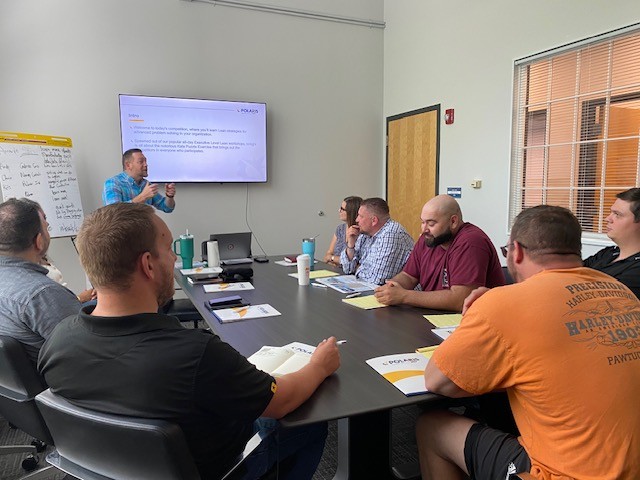

This integrated solution helps manufacturers achieve measurable and sustainable improvements in productivity, quality, and workforce effectiveness by addressing both the technical and human sides of operations.
Our safety programs are designed for small-to-medium manufacturers in Rhode Island and focus on the most common types of incidents and OSHA violations.
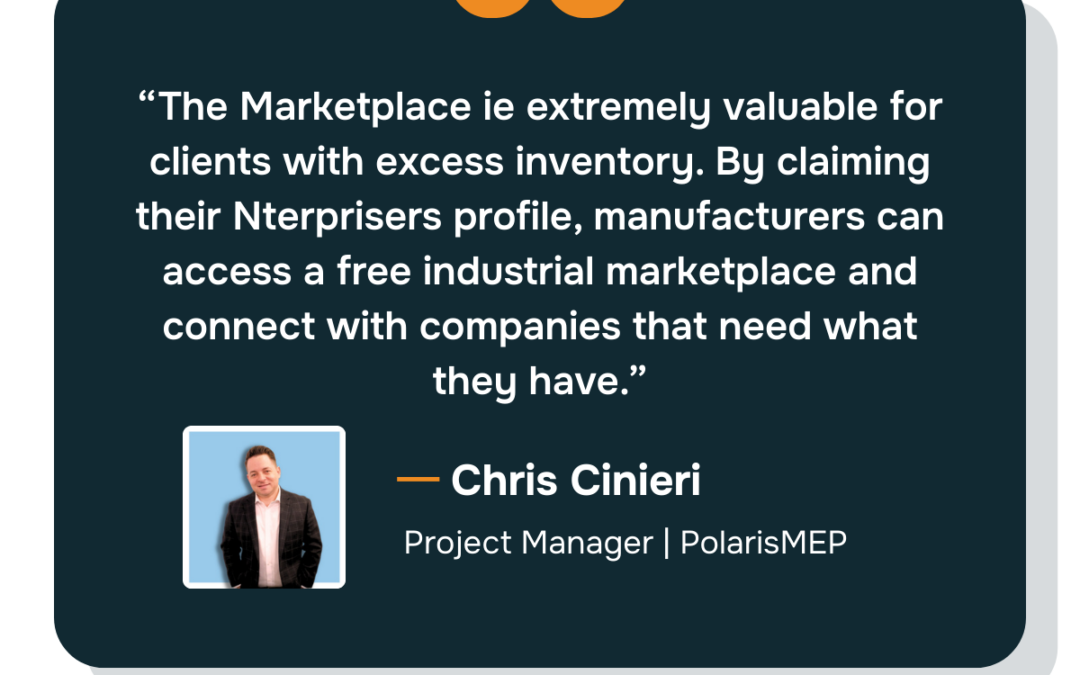
Chris Cinieri, Polaris MEP Project Manager, helped Nterprisers develop their new Marketplace to help meet manufacturers’s needs.
The project responds to Rhode Island’s acute manufacturing workforce shortage by strengthening the talent pipeline while opening access to high-wage, high-demand careers for individuals who have been historically excluded from opportunity.

By standardizing how biological and chemical changes are measured in space, the mission supports recent U.S. policy goals to strengthen leadership in the space sector and opens the door for more reliable, data-driven innovation in areas like pharmaceuticals, climate science, and advanced materials.
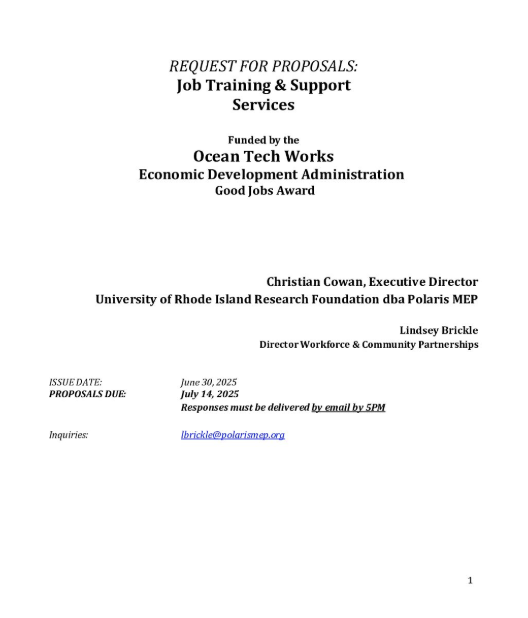
Polaris MEP seeks proposals from training providers for job training and support services targeting adults seeking full-time, livable-wage employment in the Advanced Manufacturing, Marine Trades, and Blue Economy sectors.
Polaris MEP seeks proposals from training providers for job training and support services targeting adults seeking full-time, livable-wage employment in the Advanced Manufacturing, Marine Trades, and Blue Economy sectors.
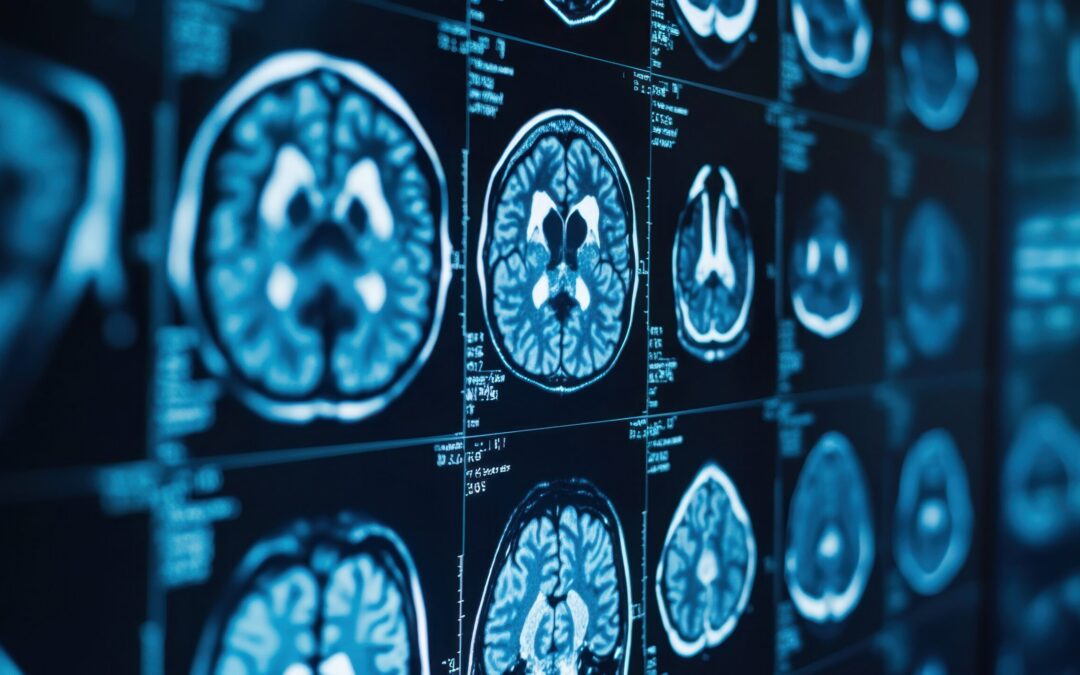
NIST helps the health care system deliver safer procedures, better diagnoses and more trustworthy data for clinicians and patients alike.
Polaris is a nonprofit dedicated to driving business growth, innovation, and job creation in Rhode Island. It is a new organization created to unify its services under a single, accessible name that signifies its role as a trusted advisor and community partner.
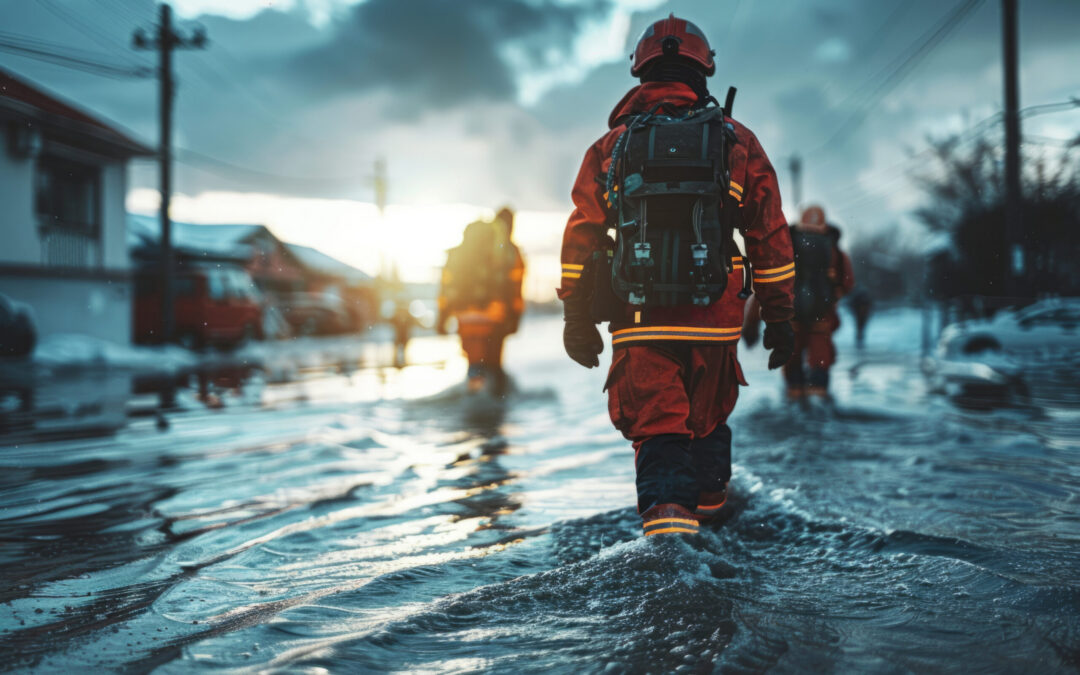
Disasters are low-probability but high-cost events, and that better measurement science — from valuing co-benefits to quantifying risk preferences — can make tough preparedness decisions more data-driven and easier for officials and residents to understand.