Attendees raised concerns ranging from day-to-day operational hurdles—like transportation and logistics challenges—to broader systemic issues such as talent pipelines and regulatory navigation.
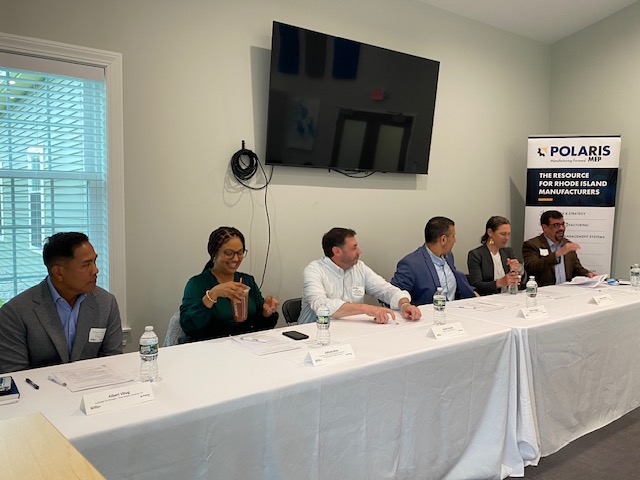

Attendees raised concerns ranging from day-to-day operational hurdles—like transportation and logistics challenges—to broader systemic issues such as talent pipelines and regulatory navigation.

For Rhode Island manufacturers—many of whom rely on imported materials, components, or equipment—refunds could translate into thousands (or more) in returned funds, potentially including interest.

NIST scientists have developed a new process for packaging photonic integrated circuits so they can survive and operate in some of the most extreme environments imaginable.

AI is quickly becoming a key area of exploration for many businesses. However, understanding how companies are actually using—or planning to use—AI is critical to ensuring the right support and resources are available.
This premier event brings together innovators, industry leaders, government stakeholders, and researchers to showcase cutting-edge maritime and dual-use technologies through live, mission-driven demonstrations.
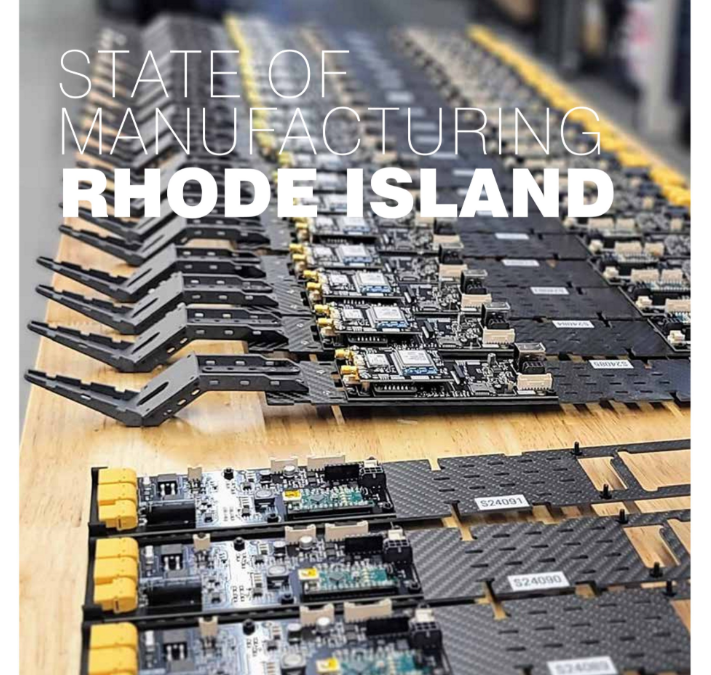
The 2025 report combines multiple sources, including industry trend analysis, the Voice of Manufacturing Survey (VOMS), and insights from manufacturers, policymakers, and community leaders.
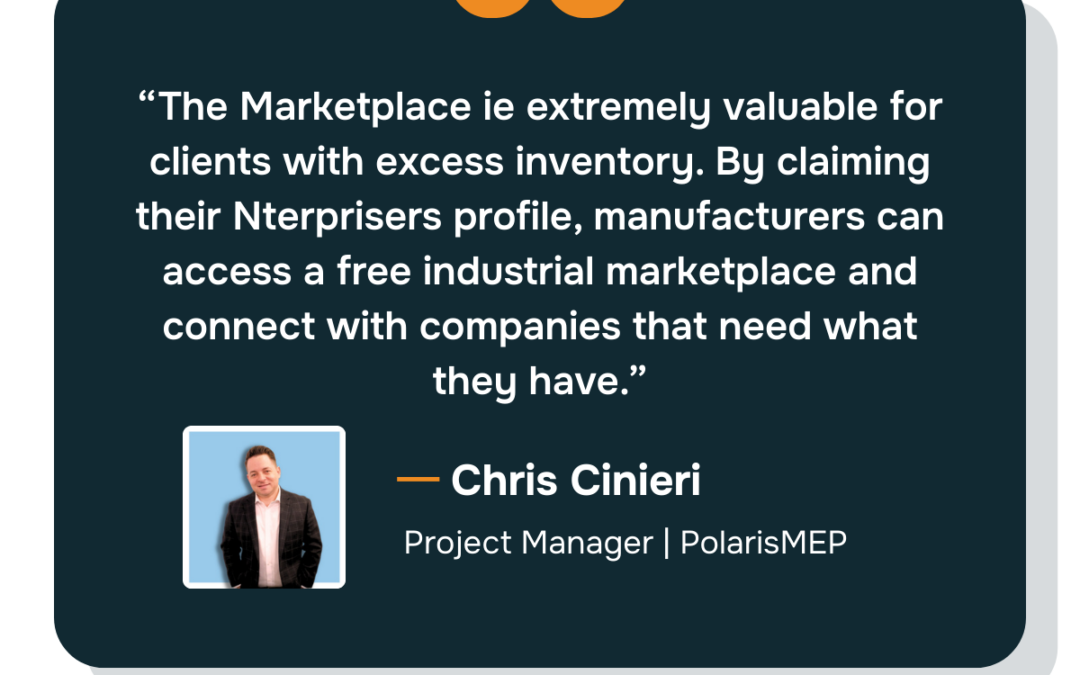
Chris Cinieri, Polaris MEP Project Manager, helped Nterprisers develop their new Marketplace to help meet manufacturers’s needs.
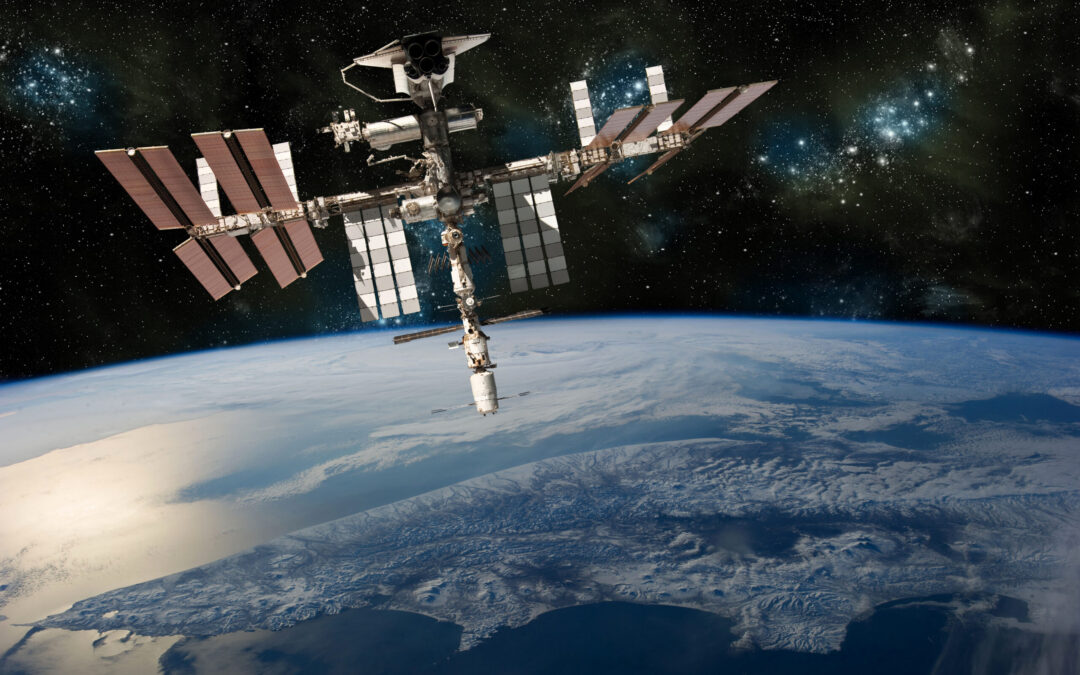
By standardizing how biological and chemical changes are measured in space, the mission supports recent U.S. policy goals to strengthen leadership in the space sector and opens the door for more reliable, data-driven innovation in areas like pharmaceuticals, climate science, and advanced materials.
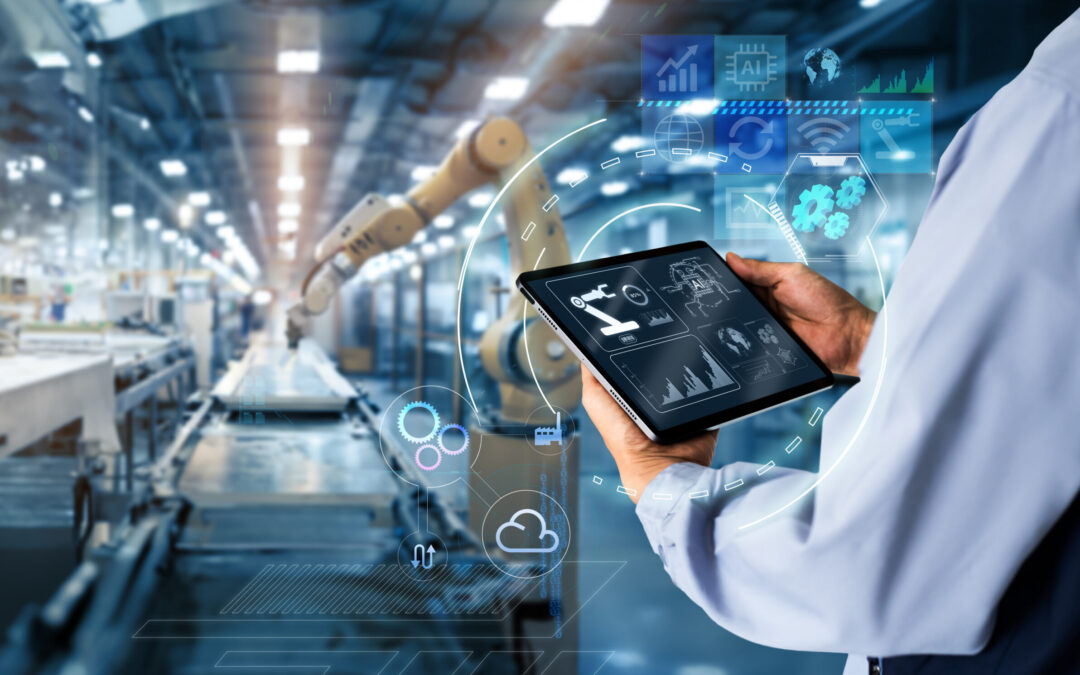
AI success is now an operating-model issue, not a technology issue, and calls for leaders to start with the work itself: mapping where rules versus judgment are needed, identifying high-impact failure points and treating AI as a teammate to onboard, not software to install.
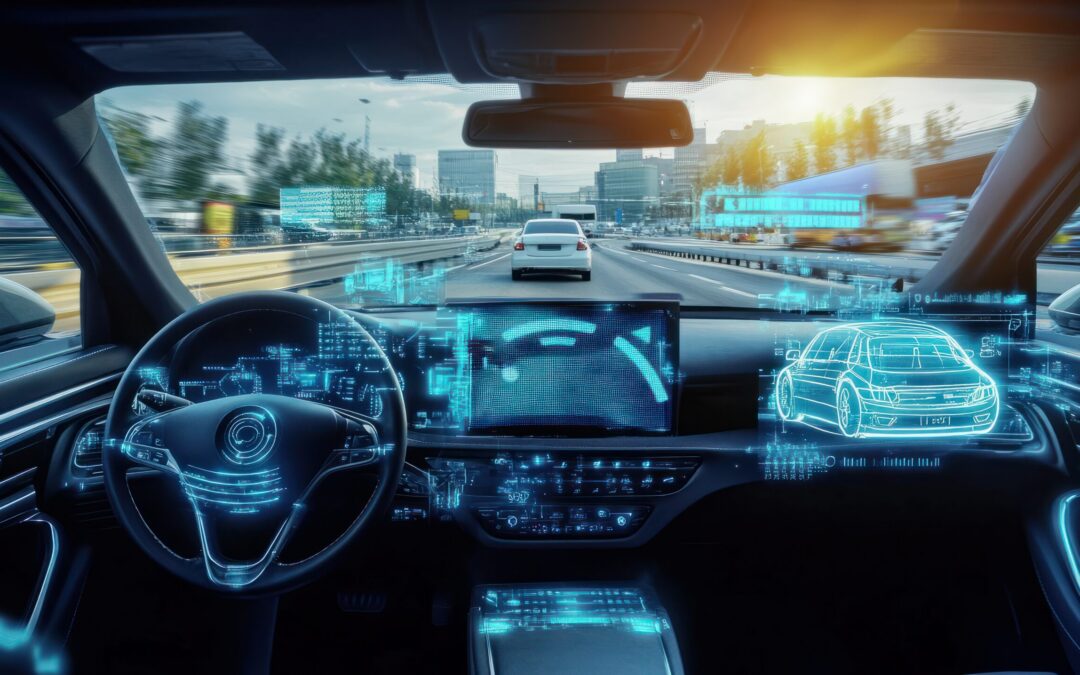
All aspects of human driving — instinctive decisions, driver collaborations and interacting with road infrastructure — must be replicated for automated driving. Many experts believe humans still have an edge over today’s technologies, but technology is rapidly improving. Industry, government and other partners are working toward replicating these aspects of human driving for automated vehicles (AVs) and building a supporting infrastructure.