

Reduce Risk and Secure Your Government Contracts
If you’re in the Department of Defense (DoD) supply chain, you may be subject to Defense Acquisition Regulations System (DFARS) / NIST SP 800-171 requirements. DFARS compliance is required of any companies that, “Process, store or transmit Controlled Unclassified Information.” Failure to comply can cause the termination of your DoD contracts.
Polaris MEP can help you determine whether you need to comply with DFARS requirements and how best to achieve compliance. This includes completion of your Security Assessment as well as creation and implementation of your System Security Plan and Plan of Action.
According to the U.S. Department of Homeland Security, the manufacturing industry is the second most targeted industry based on the number of reported cyber attacks.
Pat Toth
Cybersecurity Program Manager, NIST MEP
Your Biggest Challenges Solved
Grow Sales
Market Competitiveness
Standards Compliance
How We Help
SELF-ASSESSMENT
Self-assessment of your systems’ security against the NIST SP 800-171 controls can be time consuming and challenging. We can facilitate your process, making everything simple and straightforward.
PLAN DEVELOPMENT
Polaris MEP’s DFARS specialists can make the development of your key documentation (System Security Plan and Plan of Action) painless and efficient.
POLICY DEVELOPMENT
Our policy templates can help provide you with a starting point for addressing the requirements of NIST SP 800-171 — AND can be customized to your systems and needs.
EMPLOYEE TRAINING
Once policies have been established, we provide cybersecurity awareness training for your employees.
Compliance Doesn’t Have to Be Hard
- Efficient and accurate self-assessments
- Comprehensive and protective System Security Plans
- Clear Plans of Action that close the compliance gap
Related

A New Class of Welders Is Ready to Step Into Rhode Island’s Manufacturing Workforce
On June 25, something meaningful happened at New England Institute of Technology. A group of graduates walked across the stage—not just to mark the end of a program, but to make a step toward entirely new careers. They’re the latest cohort from the Polaris/NEIT...

New AI Model Shows How to Evacuate for Fires One Safe Step at a Time
"Are your evacuation drills a herd of people all headed to the front door because that's closest to the muster point, or do they reflect the chaos that will accompany a real event?" - Ken Hayes, Polaris MEP Project Manager The National Safety Month spotlight on...

R.I.’s manufacturing sector braces for owner exits
Rhode Island’s manufacturing sector is facing a pivotal moment—one that will shape the future of the industry for decades to come. A recent Providence Business News article highlights a pressing reality: nearly 80% of the state’s manufacturers are approaching...
Cybersecurity breaches aren’t just for large businesses. No business is too small to be hacked. Over 70% of reported breaches actually affected businesses with 100 employees or less. You might be surprised to learn that represents over 90% of Rhode Island manufacturers!
Christian Cowan
URI Research Foundation
Category: Cybersecurity
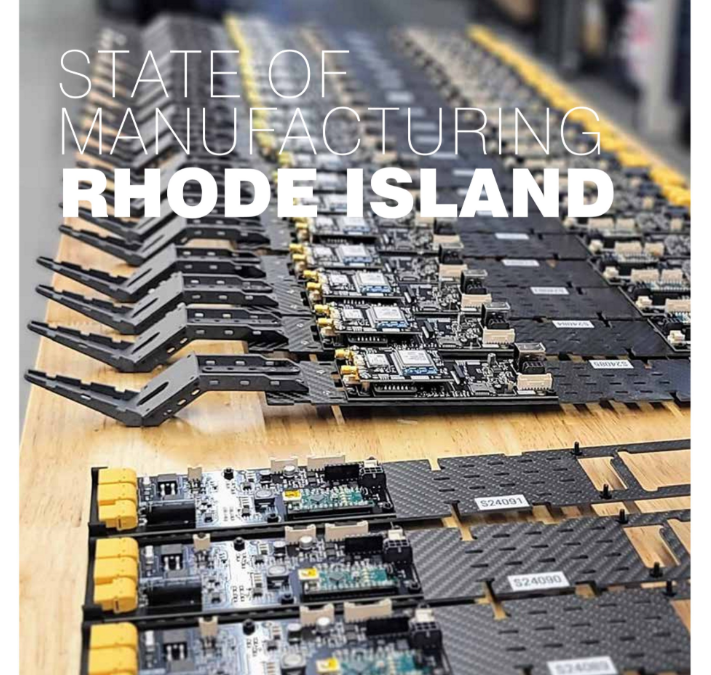
Polaris MEP Releases 2025 State of Manufacturing Report for Rhode Island
The 2025 report combines multiple sources, including industry trend analysis, the Voice of Manufacturing Survey (VOMS), and insights from manufacturers, policymakers, and community leaders.
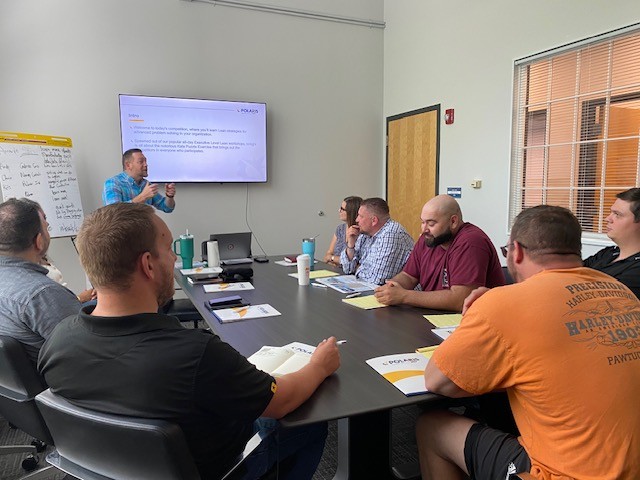
Integrated Operational Excellence
This integrated solution helps manufacturers achieve measurable and sustainable improvements in productivity, quality, and workforce effectiveness by addressing both the technical and human sides of operations.

Safety Consulting
Our safety programs are designed for small-to-medium manufacturers in Rhode Island and focus on the most common types of incidents and OSHA violations.
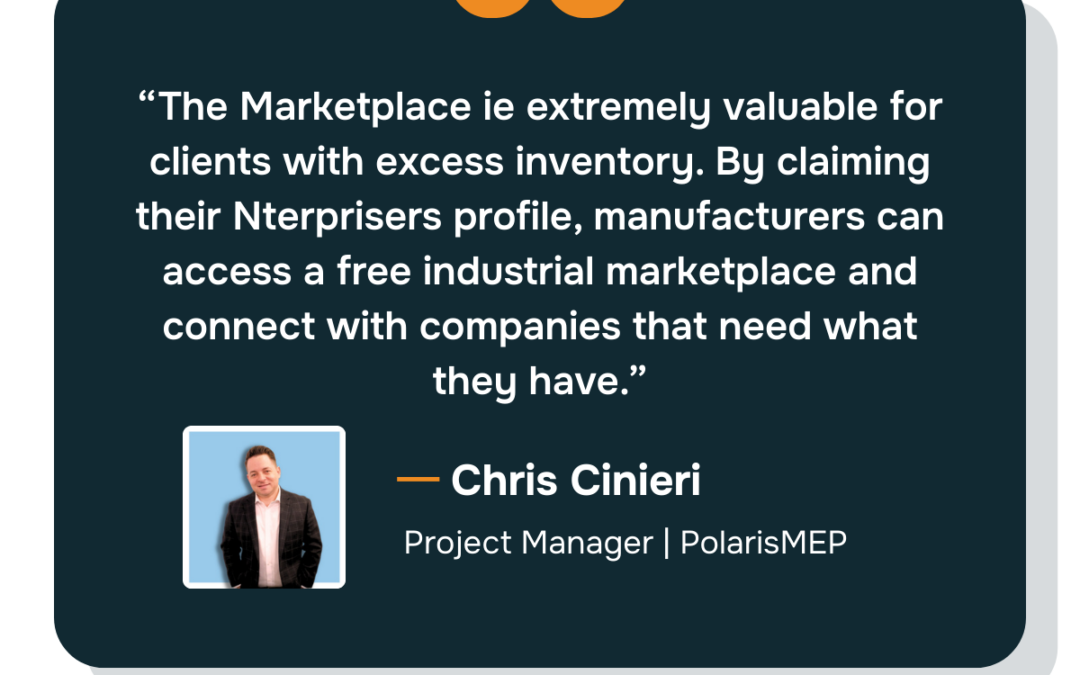
Nterprisers Develops New Marketplace with Polaris MEP Project Manager’s Help
Chris Cinieri, Polaris MEP Project Manager, helped Nterprisers develop their new Marketplace to help meet manufacturers’s needs.

Ascendium Education Group Awards $2.45 Million Grant to Polaris MEP
The project responds to Rhode Island’s acute manufacturing workforce shortage by strengthening the talent pipeline while opening access to high-wage, high-demand careers for individuals who have been historically excluded from opportunity.

Space: The Final Frontier for Standards
By standardizing how biological and chemical changes are measured in space, the mission supports recent U.S. policy goals to strengthen leadership in the space sector and opens the door for more reliable, data-driven innovation in areas like pharmaceuticals, climate science, and advanced materials.
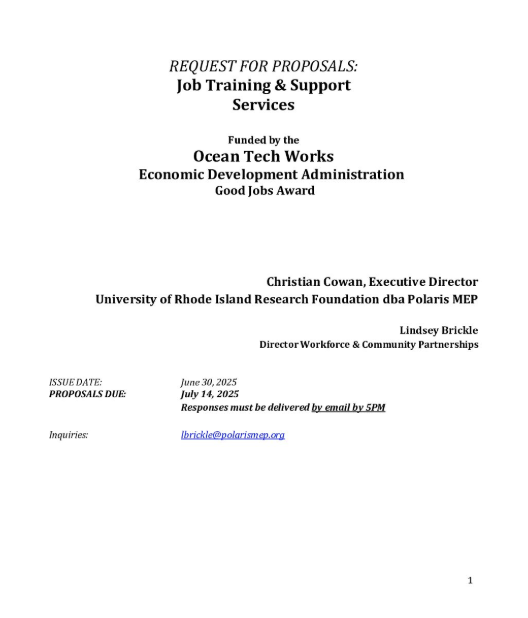
Request for Proposals: Job Training & Support Services, Spring
Polaris MEP seeks proposals from training providers for job training and support services targeting adults seeking full-time, livable-wage employment in the Advanced Manufacturing, Marine Trades, and Blue Economy sectors.
Request for Proposals: Job Training & Support Services, Spring
Polaris MEP seeks proposals from training providers for job training and support services targeting adults seeking full-time, livable-wage employment in the Advanced Manufacturing, Marine Trades, and Blue Economy sectors.

Checkup Time! How Measurement Science Keeps You Healthy
NIST helps the health care system deliver safer procedures, better diagnoses and more trustworthy data for clinicians and patients alike.

Polaris Announces Rebrand to Strengthen Support for Rhode Island Manufacturers and Tech Companies
Polaris is a nonprofit dedicated to driving business growth, innovation, and job creation in Rhode Island. It is a new organization created to unify its services under a single, accessible name that signifies its role as a trusted advisor and community partner.