Polaris Tech Bridge was proud to sponsor this year’s Providence Business News’ Summit for Emerging Industries on Wednesday, March 11, 2026.
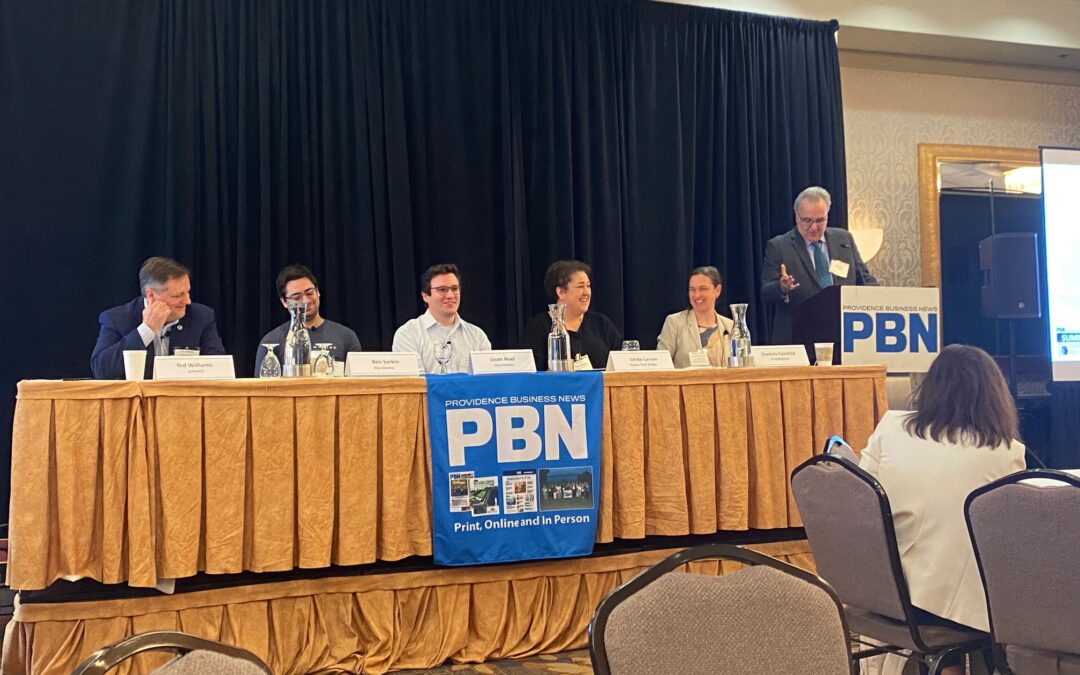

Polaris Tech Bridge was proud to sponsor this year’s Providence Business News’ Summit for Emerging Industries on Wednesday, March 11, 2026.

The project responds to Rhode Island’s acute manufacturing workforce shortage by strengthening the talent pipeline while opening access to high-wage, high-demand careers for individuals who have been historically excluded from opportunity.

NIST is partnering with NOAA’s Office of Space Commerce and biotech company Rhodium Scientific to establish measurement standards that will underpin a resilient, scalable space economy.

By standardizing how biological and chemical changes are measured in space, the mission supports recent U.S. policy goals to strengthen leadership in the space sector and opens the door for more reliable, data-driven innovation in areas like pharmaceuticals, climate science, and advanced materials.
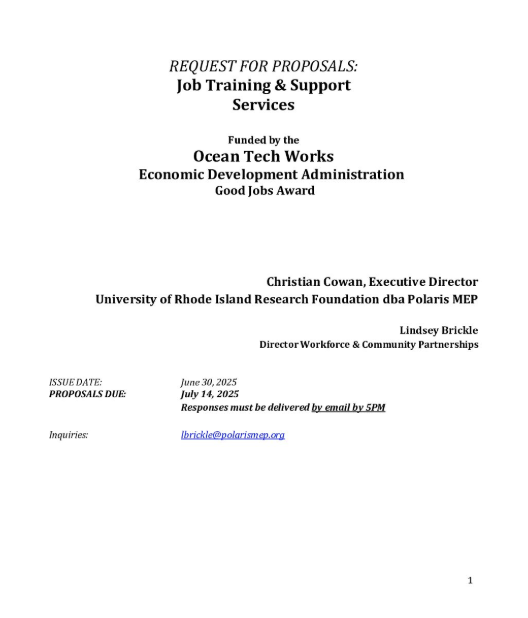
Polaris MEP seeks proposals from training providers for job training and support services targeting adults seeking full-time, livable-wage employment in the Advanced Manufacturing, Marine Trades, and Blue Economy sectors.
Polaris MEP seeks proposals from training providers for job training and support services targeting adults seeking full-time, livable-wage employment in the Advanced Manufacturing, Marine Trades, and Blue Economy sectors.

NIST helps the health care system deliver safer procedures, better diagnoses and more trustworthy data for clinicians and patients alike.

The partnership between BLUEiQ and NOAA, which is under a Cooperative Research and Development Agreement, or CRADA, is already bearing fruit, as a recent deep-ocean deployment in Georges Bank off the U.S. East Coast allowed BLUEiQ to validate the technology in a deep-ocean environment.
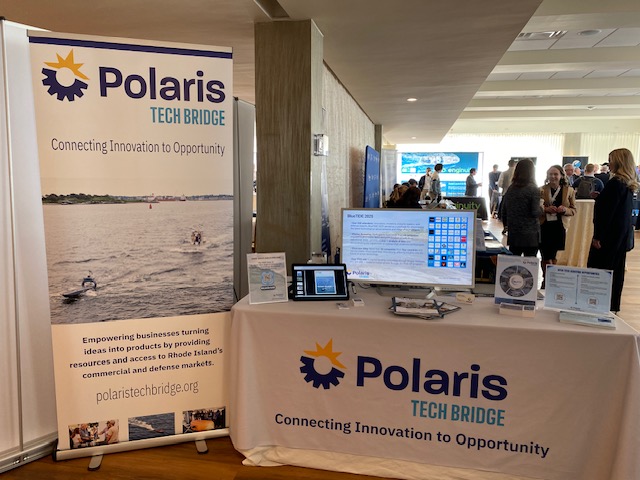
Polaris Tech Bridge was proud to sponsor and support the Blue Innovation Symposium, hosted by Blue Venture Forum, at the Wyndham Newport Hotel.
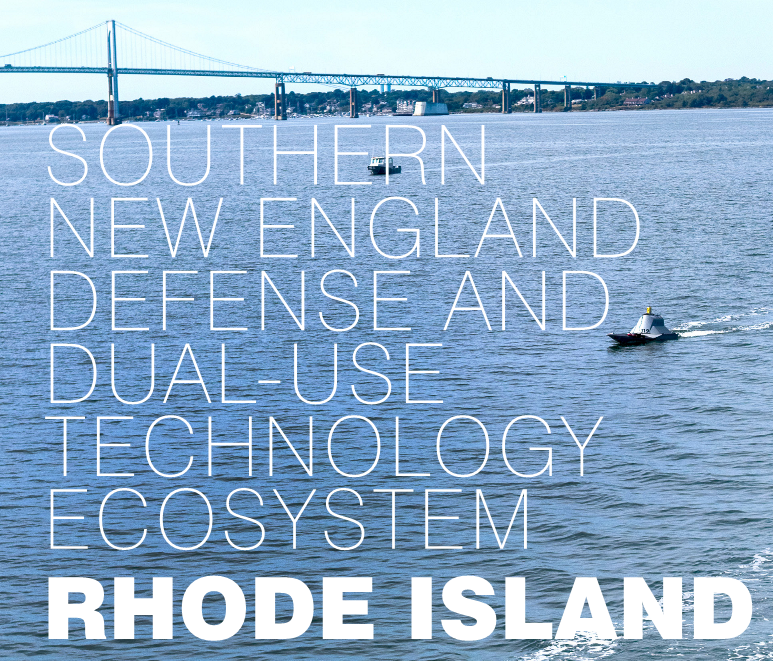
This report describes Rhode Island’s role, potential, opportunities, and vision for Maritime Innovation within the Southern New England Defense and Dual Use Ecosystem.